Co-curator biographies
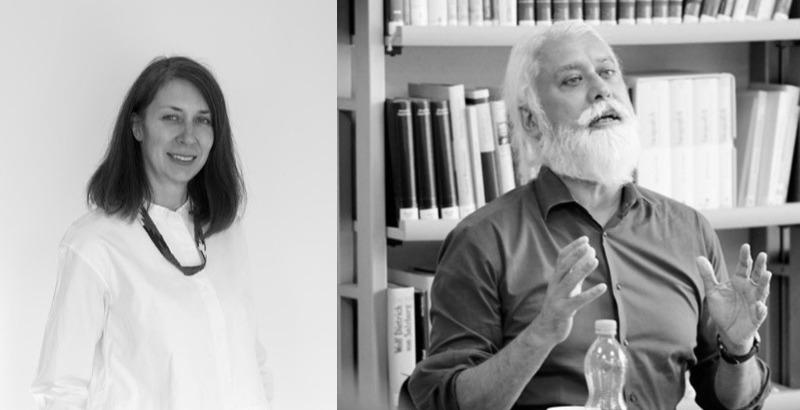
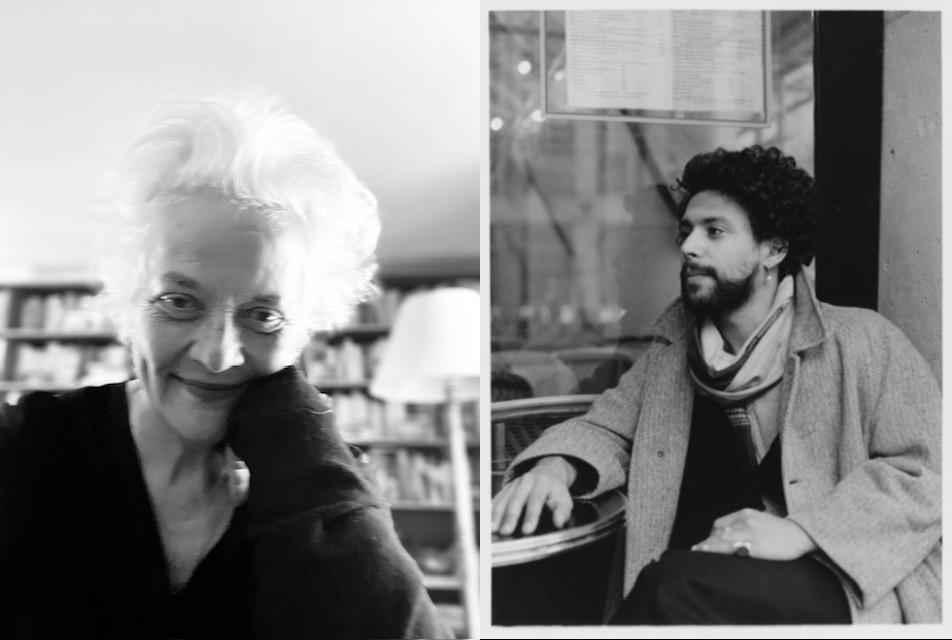
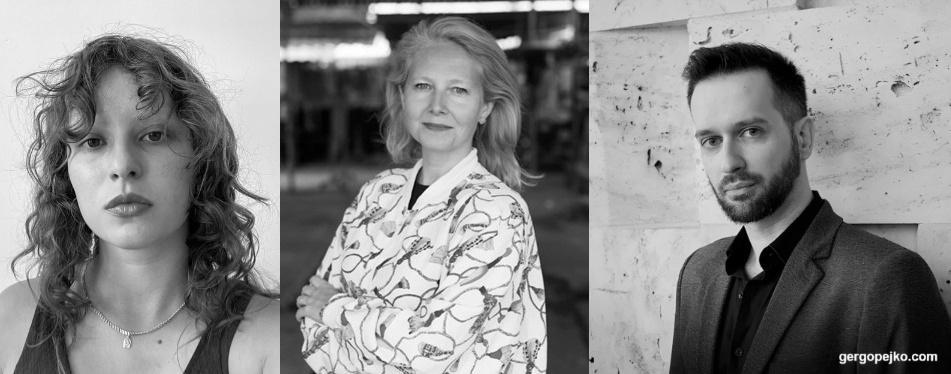
() is a producer, curator, writer, and researcher, working at the intersections of cultural history, politics, and the arts. Their independent curatorial projects include Invasion Ecology (2024), SEEDLINGS: Diasporic Imaginaries, with Travelling Gallery (2025), and Seeds of Hate and Hope, at the Sainsbury Centre (2025). Jelena produces EMPIRE LINES, a podcast which uncovers the unexpected flows of empires through art, supported through their role as Curator with Radical Ecology (2026-2027). They are also pursuing a practice-based PhD with Gray’s School of Art, curating exhibitions with Balkan and Yugoslavian/diasporic artists in British art collections.
Pierre-Antoine Vettorello is a PhD candidate at Sint Lucas Antwerp and the University of Antwerp in 2026. A textile and fashion practitioner, he holds a Master's degree in Fashion from the Antwerp Fashion Department (2011) and a Master's degree in Artistic Research from Sint Lucas Antwerp (2020). His research engages with textiles, fashion history, material culture, colonial archives, and artistic research methodologies. He has taught research methodology at the Royal Academy of Fine Arts in Brussels and currently supervises master's students in academic writing at Istituto Marangoni Paris. During the 2025-2026 Michaelmas term, he was a visiting doctoral researcher at Wolfson College, University of Oxford, where he conducted research at the Pitt Rivers Museum. Since 2023, he has worked as an action researcher on the FWO-funded Crafting Futures project, examining the transmission and value of craft practices in Flanders. In 2025, he served on the executive board of the Research Collective for Decoloniality and Fashion and is the editor of The Yarn, a biannual publication exploring colonial legacies in fashion museums and education.
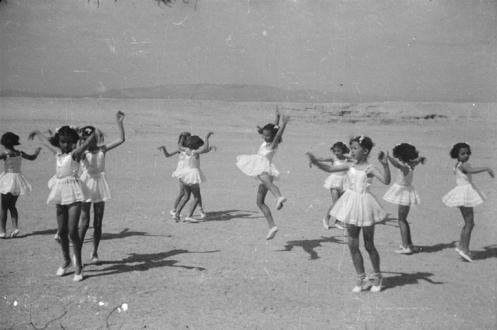
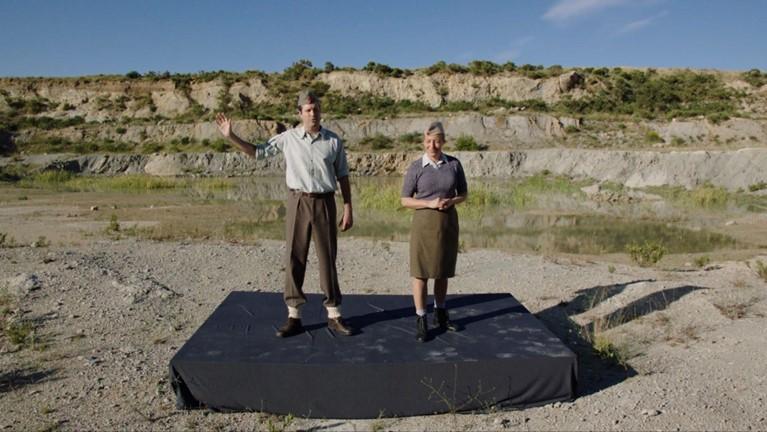
Banner image: Still from El Shatt – A Blueprint for Utopia (2023) courtesy of Ivan Ramljak.