
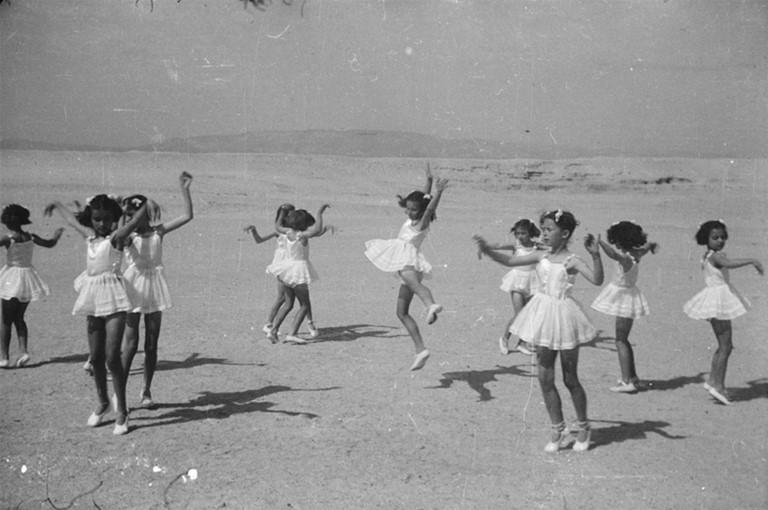
This online and onsite conversation series brings together artists and filmmakers, scholars, and activists to explore how decolonial approaches travel, what they illuminate, and where they encounter friction when applied within Europe itself—particularly in regions often positioned at its margins.
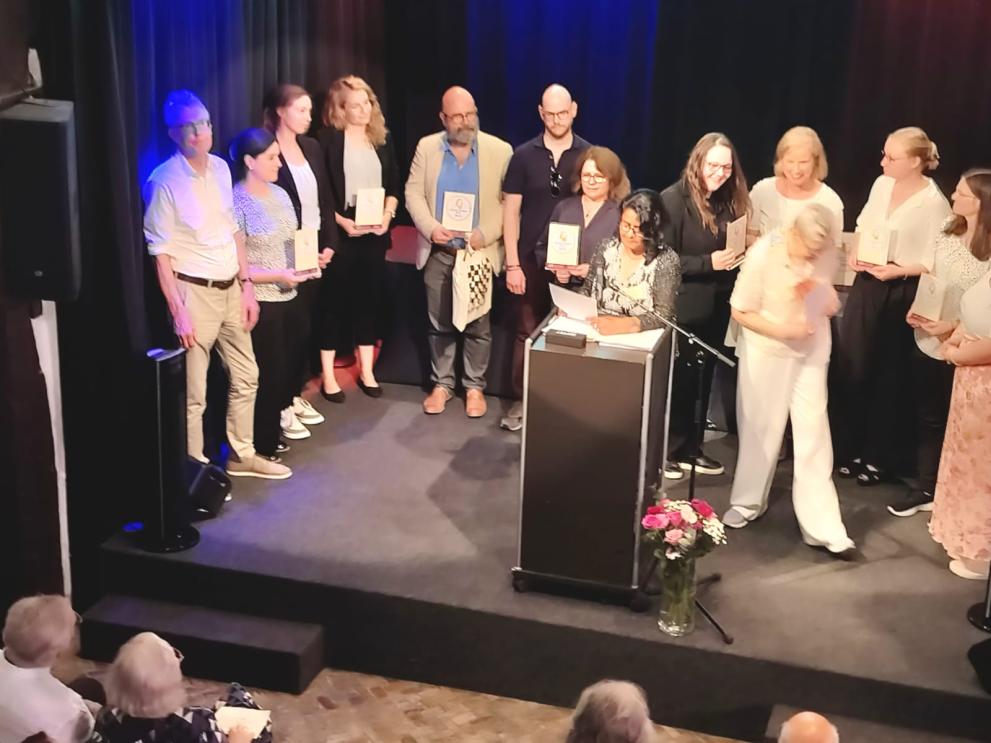
HistoriCall, the House of European History's digital learning platform, has received a 2026 Comenius EduMedia Award for excellence in digital education.
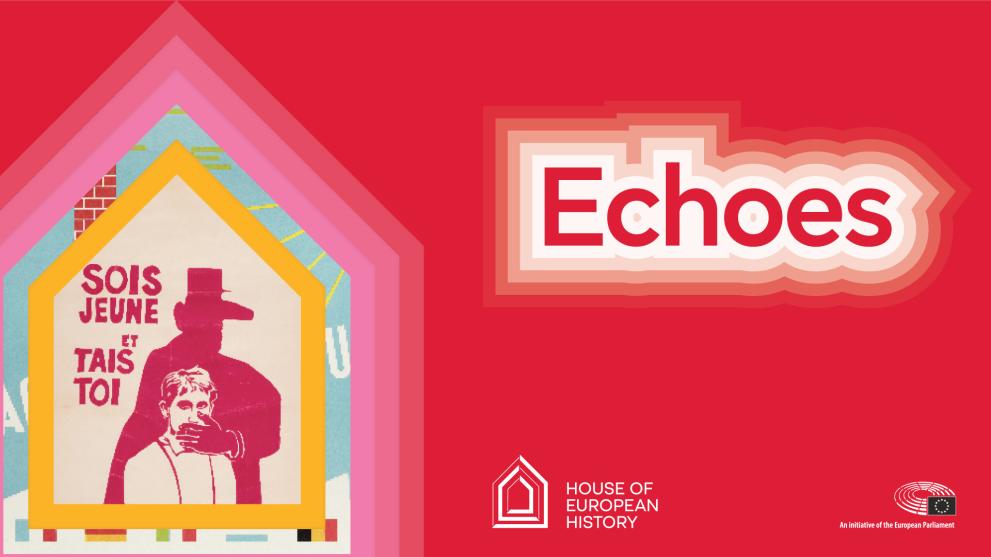
Echoes is a project by the House of European History for young people in Brussels aged 18 to 30.
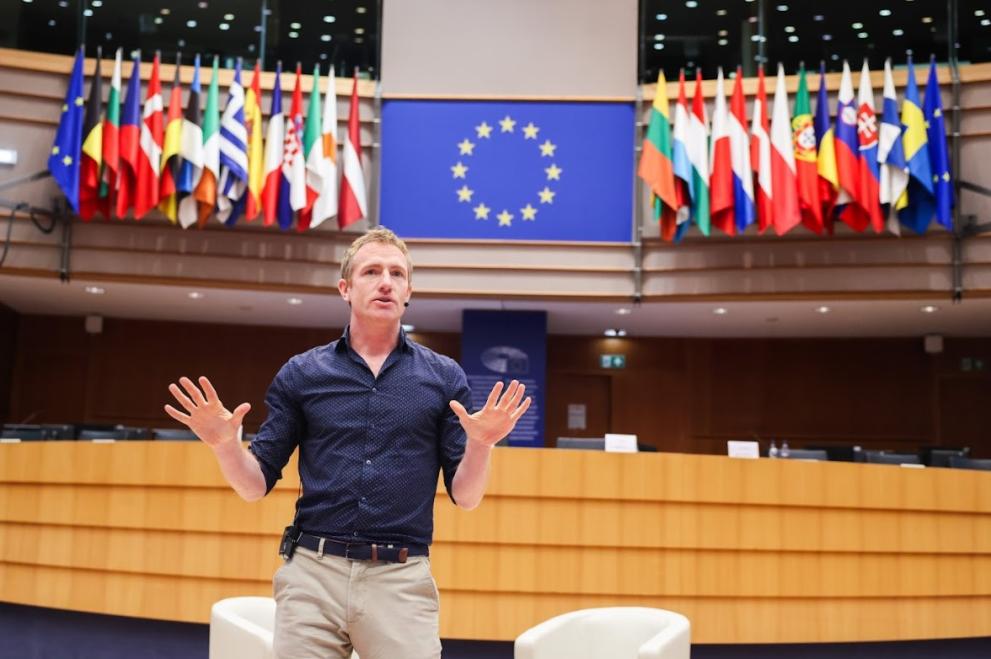
Following his keynote lecture at the History and Hope conference, Jon Alexander argues that meaningful hope in turbulent times depends not on optimism, but on our willingness to see clearly, imagine differently and act together.
Laurence and Guido from the museum’s learning team explain the collective writing process behind the ‘Hope Manifesto’.
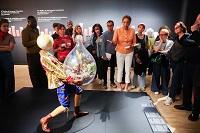
By Estela Vallejo, Events manager

The Postcolonial? public programme is developed through a participatory model grounded in shared authority, cultural agency, and collective knowledge production. At its core is the Public Programme Circle, a group of experts, practitioners, artists, and educators who collaborate with the museum on the programme.
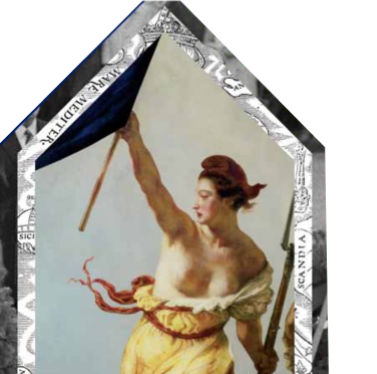
Sunday 8 March 2026 is International Women Rights Day, a moment when people around the world take to the streets and publicly express their beliefs and concerns on gender equality and justice.
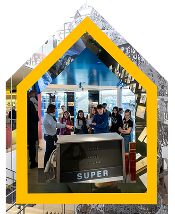
A free 90-minute introduction to the museum using interactive learning methods to discover the essentials of the collection in French.
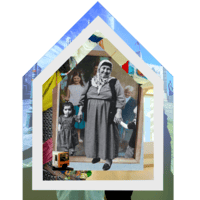
Raising our Roots was short-listed in the Visit Brussels Awards 2026 in the category of “Best Co-creation".