Date
27 April 2026, 09:00 (CEST) - 29 April 2026, 18:00 (CEST)
Location
House of European History, 135 Rue Belliard/straat, 1000 Brussels, Belgium

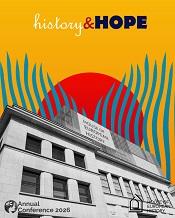
History and Hope: Learning for Change

Under the theme History and Hope: Learning for Change, this international conference brings together up to 250 teachers, teacher trainers, museum educators, historians, and cultural professionals from across Europe and beyond. It offers a unique professional learning space for educators who wish to strengthen their teaching practice through innovative, inclusive, and future-oriented approaches to history and citizenship education.

A conference for teachers, designed with teachers

In times marked by uncertainty, polarisation, and democratic challenges, educators will explore how history education can nurture hope, agency, critical thinking, and democratic engagement among young people. 

Structured around three core sub-themes:

  • Multi-perspectivity and transnationalism
  • Anti-racism and anti-colonial practice
  • Democracy and European values

Participants can expect:

  • Inspiring keynote lectures on hope in education
  • Hands-on, classroom-ready workshops led by teachers, museums, and civil-society organisations
  • Panels on racism, education, and counter-narratives
  • School visits across Brussels’ diverse educational landscape
  • A rich cultural programme including visits to the House of European History, BELvue Museum, AfricaMuseum, the European Parliament and the Parlamentarium
  • Participatory formats such as a collective “Hope Manifesto” co-written by teachers

Practical information

Dates
27–29 April 2026 (optional activities on 26 April)
Location
Brussels, Belgium
Main venues
House of European History and the European Parliament
Participants
Up to 250 educators and cultural professionals
Registration
For registration and programme updates, please visit the  EuroClio conference webpage

Teachers and education professionals who are passionate about inclusive history education, democratic citizenship, and empowering young people as agents of change are warmly invited to join this European learning community in Brussels.

Co-organised by the House of European History

As a museum dedicated to exploring Europe’s shared and diverse pasts, the House of European History offers a unique transnational learning environment for critical reflection and open inquiry. In co-organising this conference, the museum reaffirms its commitment to supporting educators who are shaping the next generation of engaged, thoughtful, and resilient European citizens.

The conference will take place during the museum’s temporary exhibition Postcolonial? on colonialism, decolonisation, and anti-racism, providing an exceptional framework for deepening understanding of Europe’s colonial legacies and their contemporary impact. Participants will also be introduced to HistoriCall, the House of European History’s digital learning toolbox for teachers and students across Europe, including the launch of the new module What is Racism?

Keynote speaker
The opening keynote will be delivered by Jon Alexander, an internationally recognised thinker and advocate for democratic renewal and civic participation. He is the author of the widely acclaimed book Citizens and co-founder of the New Citizen Project. His work focuses on strengthening democratic agency and empowering people to move from passive spectators to active participants in public life. Drawing on stories of community action and democratic innovation from across Europe and beyond, Jon Alexander will explore how education can foster hope, responsibility, and collective agency. His keynote will directly engage with the conference theme by highlighting the role of teachers in enabling young people to see themselves as capable, committed, and active citizens.