- Date
- 10 October 2026, 10:30-18:30 (CEST)
- Location
- House of European History, Rue Belliard/straat 135, 1000 Brussels, Belgium
Fischi per Fiaschi - developed in collaboration with Black History Month Florence and The Recovery Plan - is an experimental participatory format that invites audiences to engage critically. It creates a space to question dominant representations and reflect on the archival politics within postcolonial Blackness.
Through a participatory workshop, a film screening, and a listening session, the programme invites audiences to reflect on how memory is created, preserved, and transmitted beyond institutional archives.
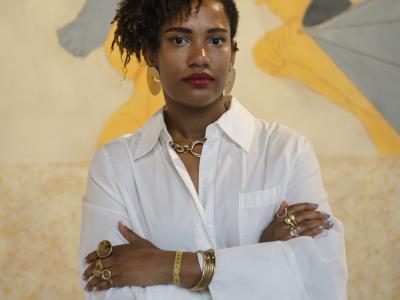
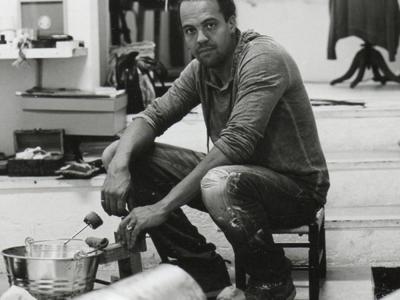
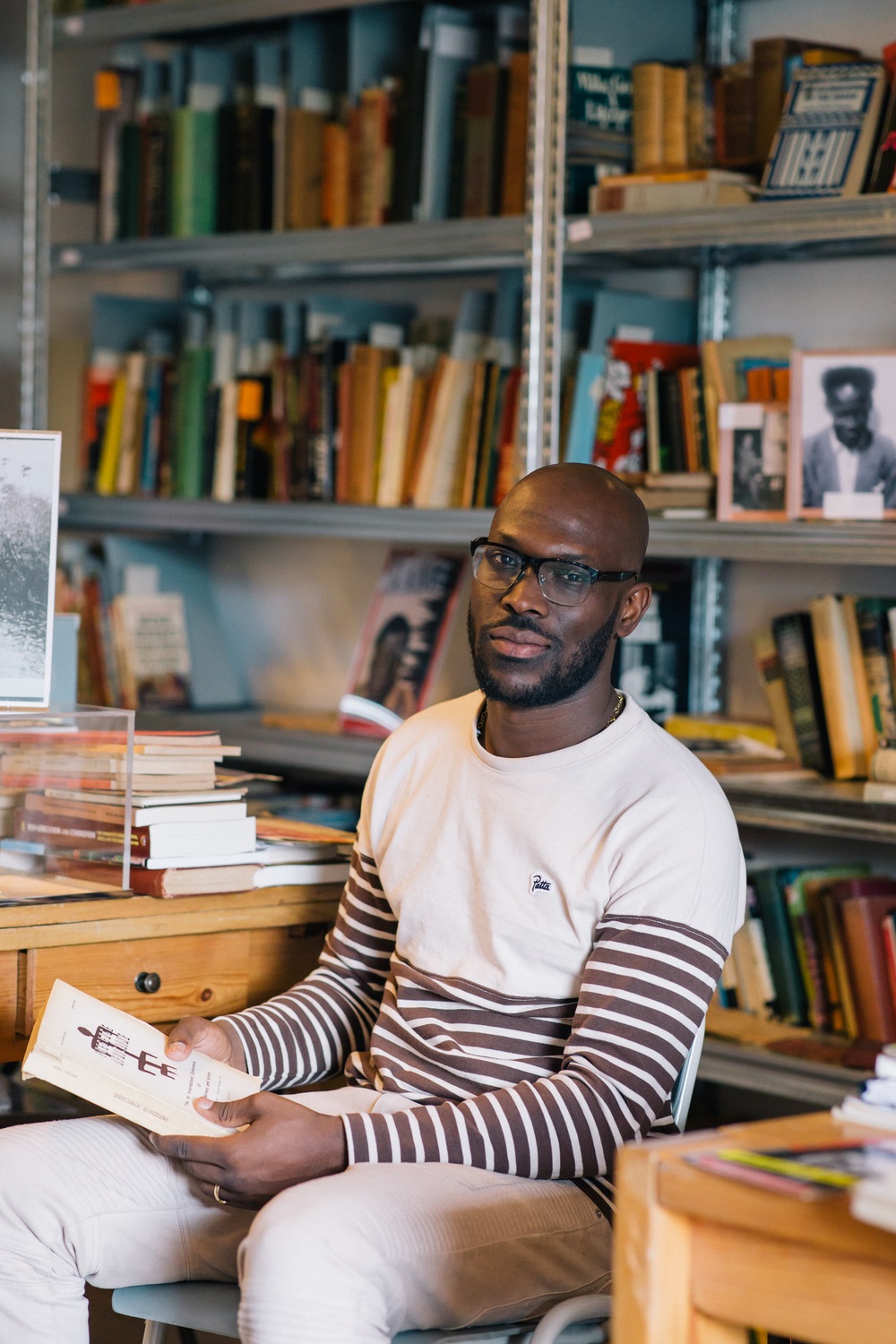
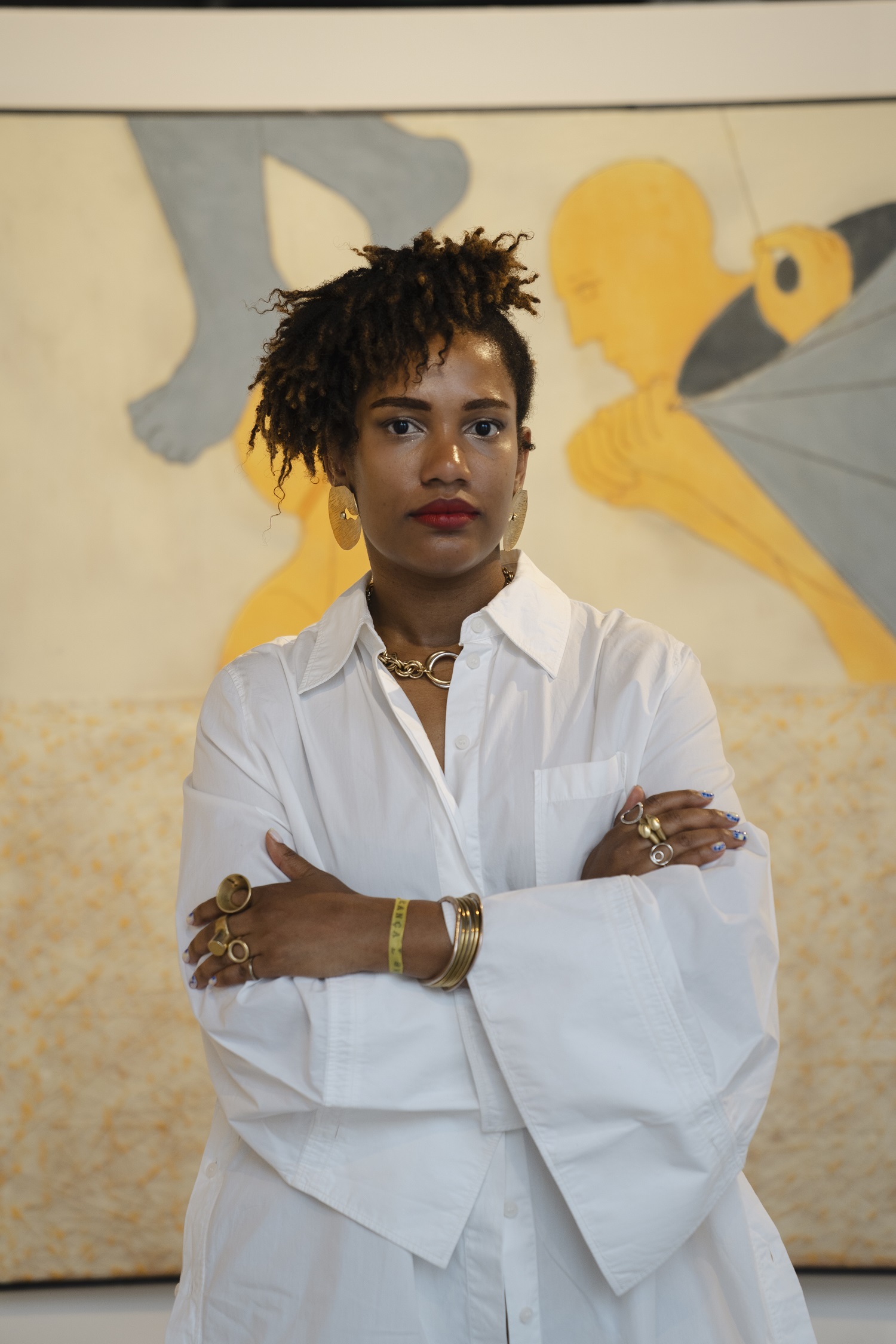
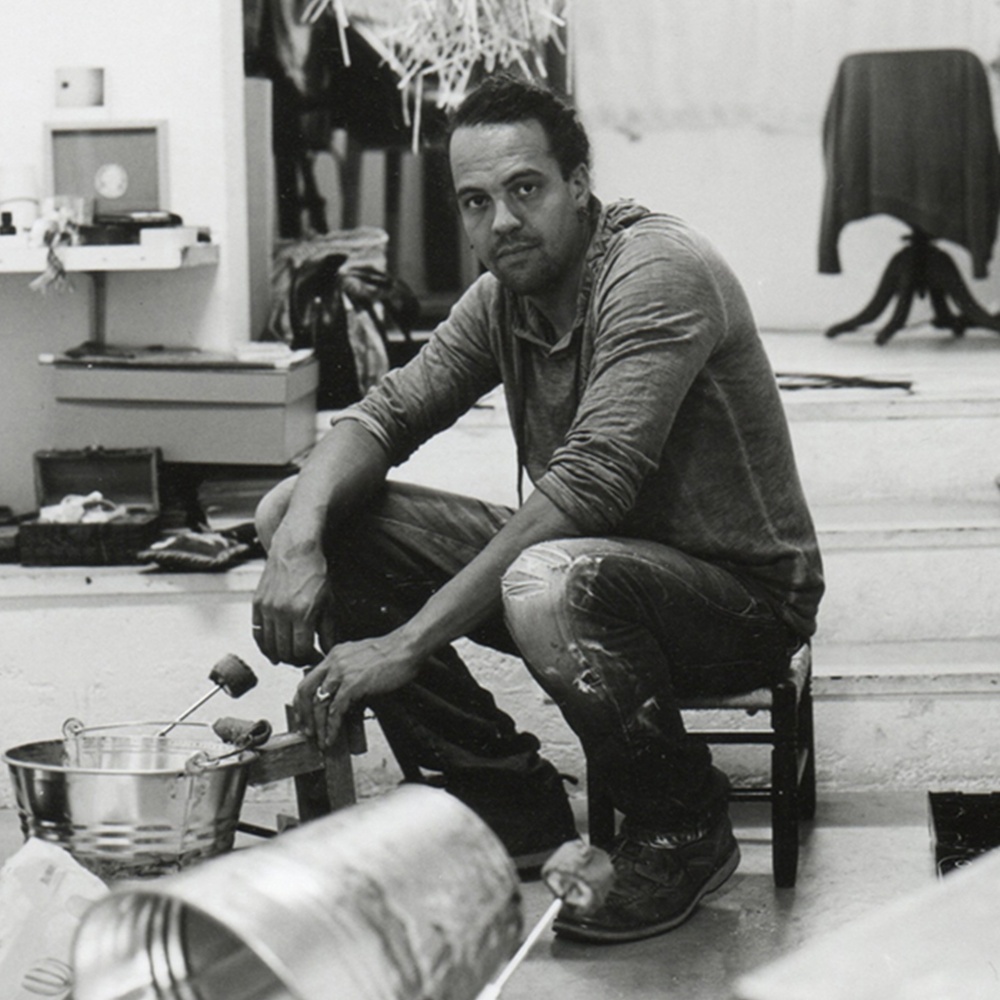
Facilitators: Janine Gaëlle Dieudji & Justin Randolph Thompson from Black History Month Florence / The Recovery Plan (Florence).
Agenda
- Workshop: 10.30 am – 12.00 pm
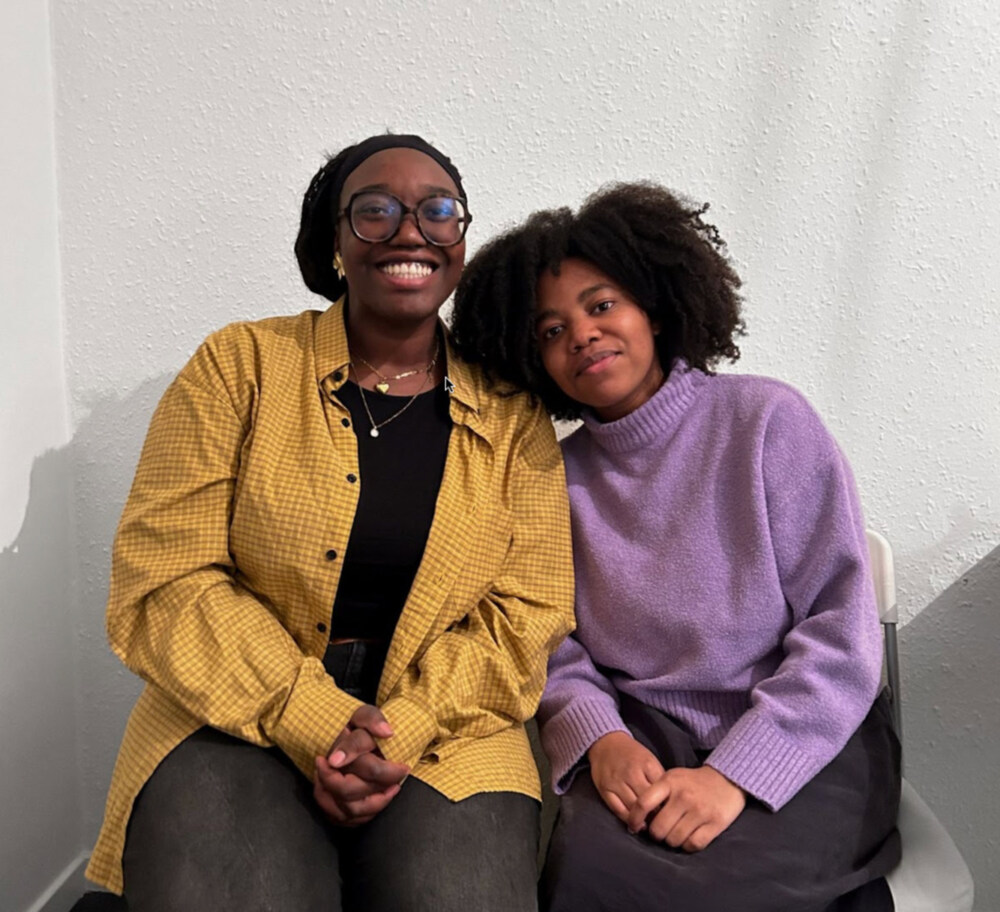
- Counter-Archives: Community Practices of Remembering/Preserving. With Mitchell Esajas (The Black Archives) & Shelsia da Costa and Charis Way-Way (Black Lens Archive).
Opening the day, a conversation and collaborative workshop around grassroots archival practice as cultural stewardship. Bringing The Black Archives into dialogue with Black Lens Archive and The Recovery Plan’s practices, the session explores how communities produce knowledge, preserve, and activate their own archives beyond institutional frameworks.
- Screening: 15.00 pm – 16.50 pm
- Adwa – an African Victory, United States – Ethiopia – Germany, 1999, 35 mm, black-and-white and colour, 97 minutes. English and French subtitles. Directed by Haile Gerima.
The workshop is followed by a screening of Haile Gerima’s seminal documentary on the Battle of Adwa; the 1896 Ethiopian victory over Italian colonial forces. Combining historical footage, testimony, and cultural references, the film offers a powerful meditation on self-determination and the ways cinema itself can function as a counter-archive.
- Listening Session: 17.00 pm – 18.30 pm
- Poetry & Sound - Art Comes First
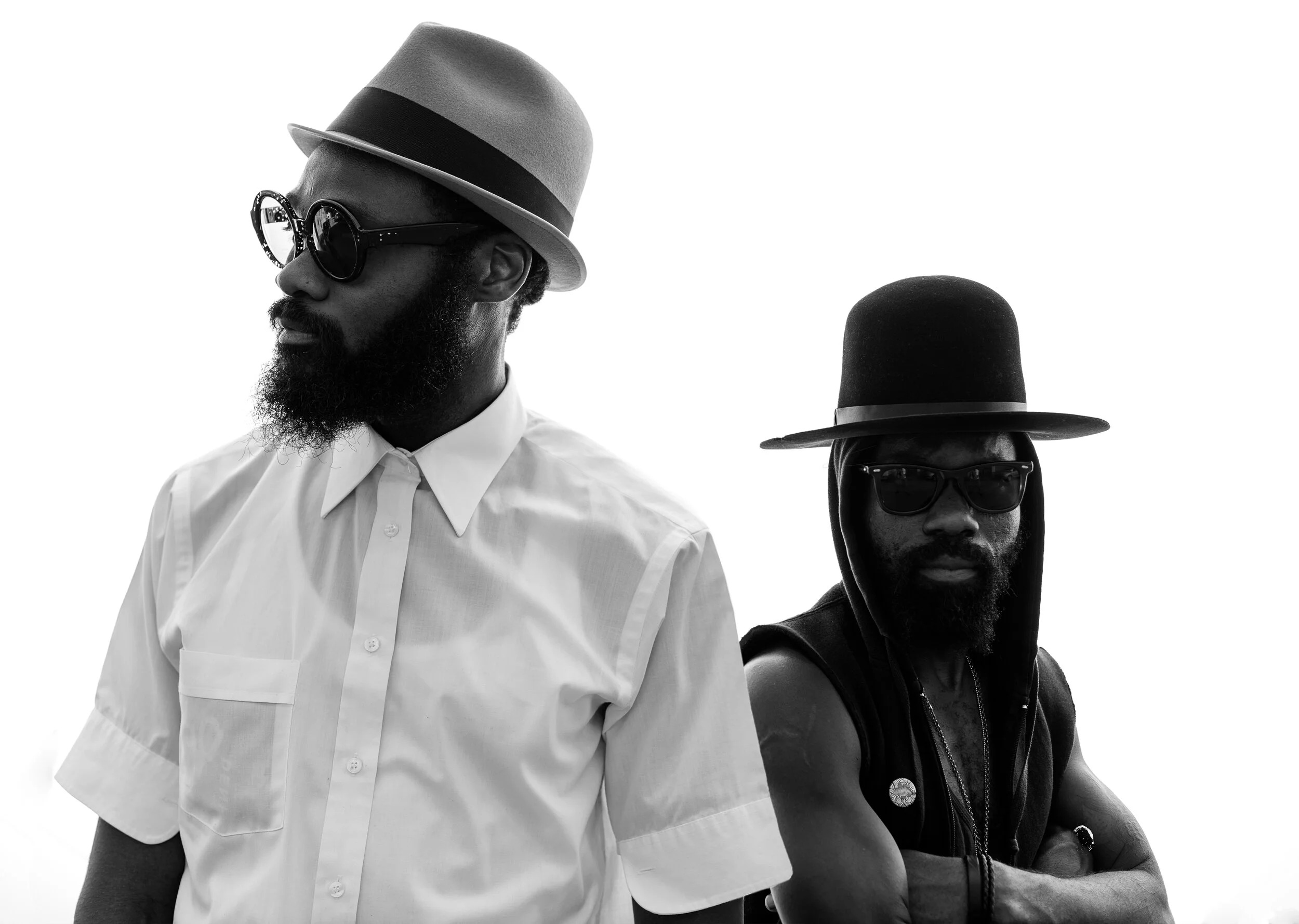
Closing the programme, a listening session led by Art Comes First explores voice, rhythm, poetry, and music as repositories of memory that extend beyond the written archive. This performative activation creates a shared space for listening, reflection, and conversation, inviting participants to experience sound as another way of transmitting history across generations.
Gallery - clockwise from left
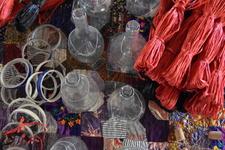
- Visual listening session - courtesy of Art Comes First
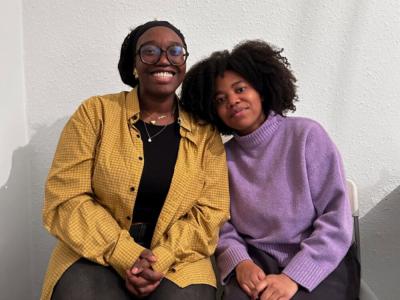
- Black-Lens-Archive founders Shelsia da Costa & Charis Way-Way, courtesy of Kaira fund
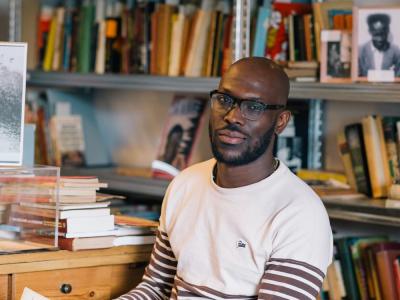
- Mitchell Esajas by Amie Galbraith
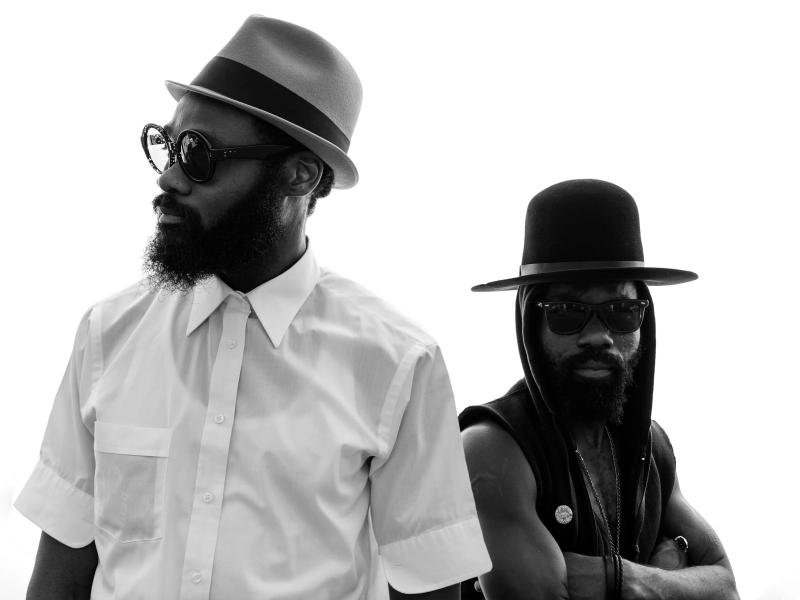
- Justin-Randolph-Thompson, courtesy of The Recovery Plan Foundation
- Gaelle Janine by Ayoub El Bardii
Top banner: Visual workshop Fischi per Fiaschi, courtesy of The Recovery Plan Foundation