Miten julkinen historia määritellään tutkimusalaksi?
Julkinen historia on tieteenala mutta myös lähestymistapa, jolla pyritään kuromaan umpeen kansalaisten ja instituutioiden (museot, arkistot, tiedemaailma) välistä kuilua ja lähentämään ihmisiä historiaan ja historiaan. Kyse on myös siitä, miten tätä historiaa on tuotettu ja tuotetaan, voimadynamiikasta, auktoriteetin jakamisesta ja monenlaisen asiantuntemuksen tunnustamisesta. Julkisena historioitsijana pyrin toteuttamaan erilaisia osallistumisen ja osallistavan tutkimuksen muotoja, mukautumaan eri kansalaisten tarpeisiin ja osallistumaan kansalaistieteen lähestymistapoihin ja periaatteisiin.
Mitä Osallistava julkinen historian laboratorio tekee?
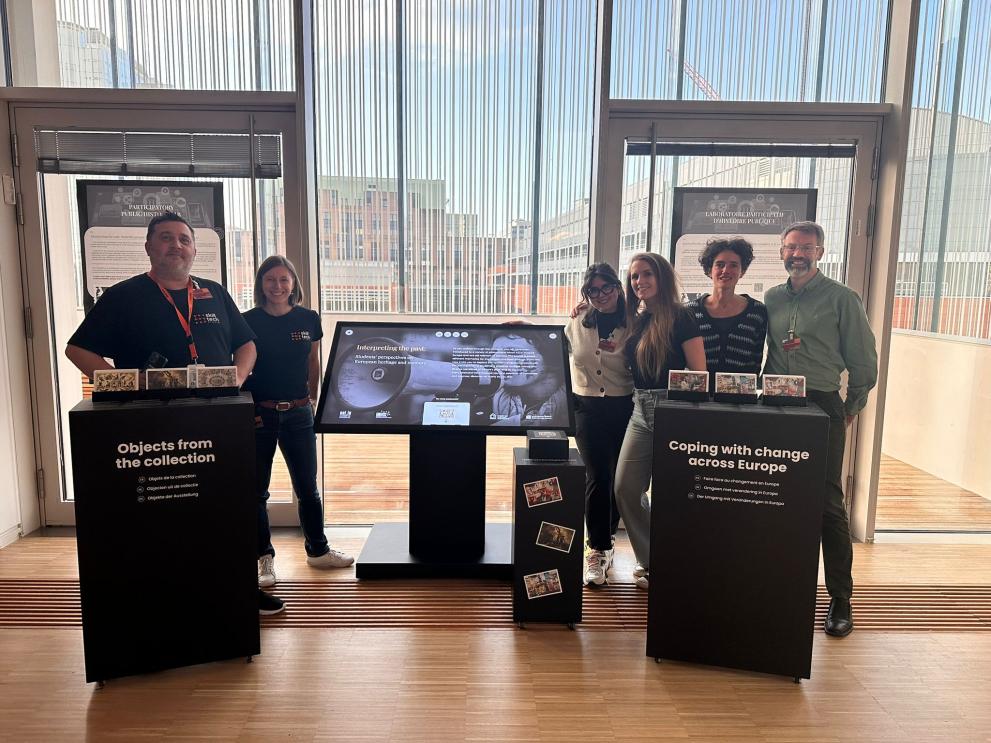
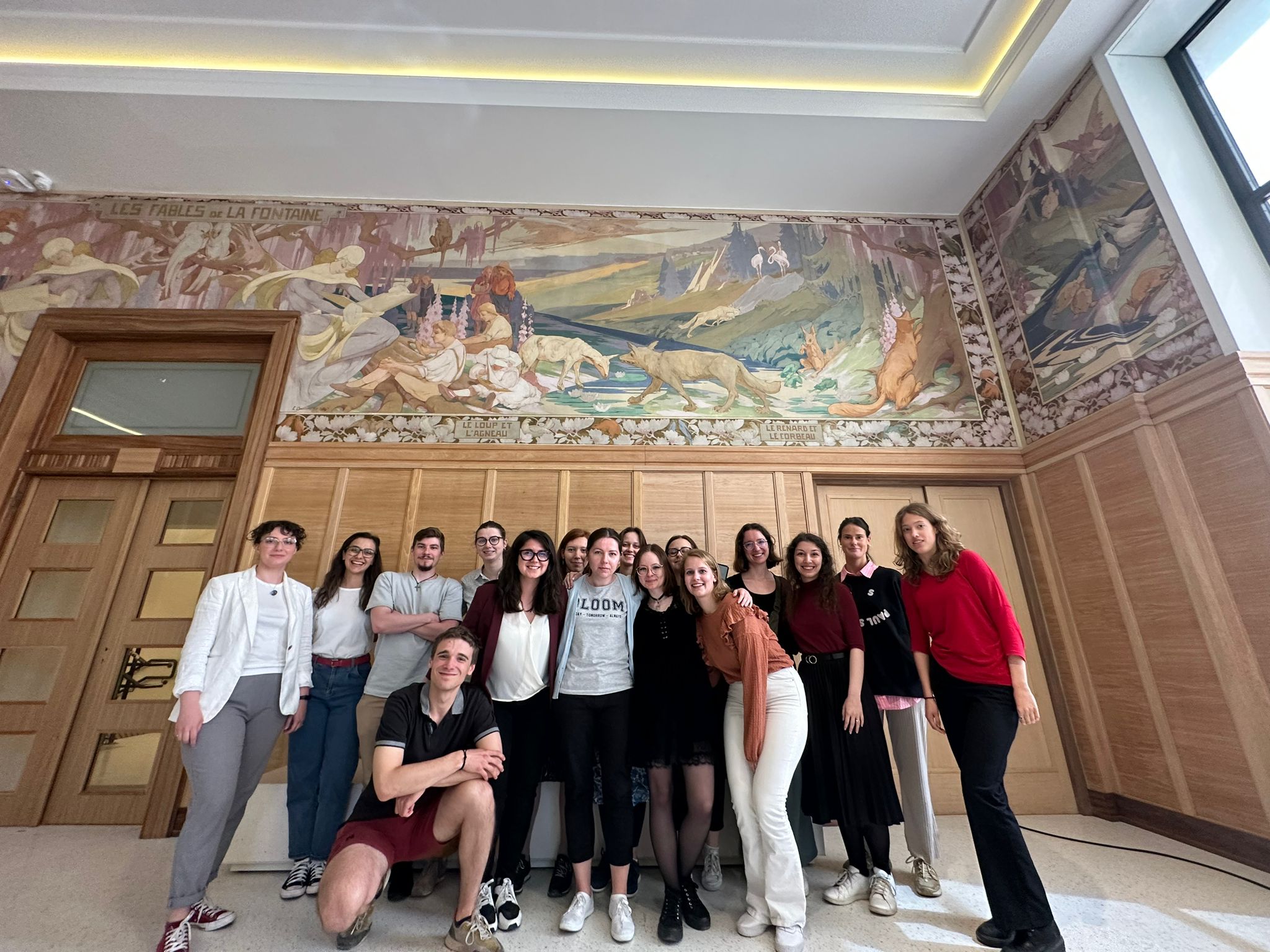
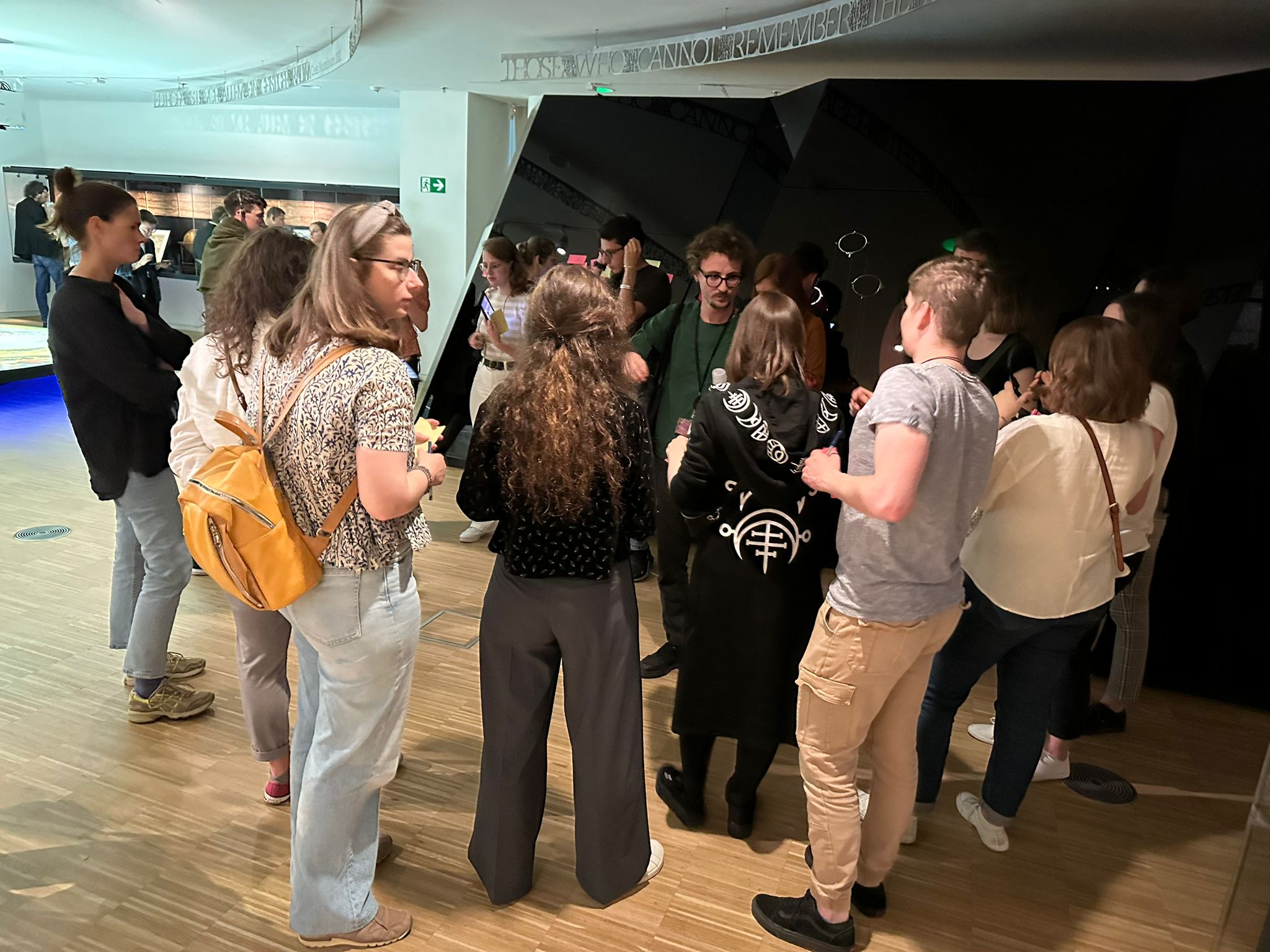
PPHL on juuri kuvaamani soveltaminen. Julkisen historian ammattilaisten ja tutkijoiden välinen yhteistyö, jota johtaa professori Thomas Cauvin ja osa Euroopan historian talon henkilöstöstä. Hankkeeseen osallistuneiden eri toimijoiden tavoitteena oli rikastuttaa ja monipuolistaa museon narratiivia toteuttamalla yleisön osallistuminen pysyvän kokoelman osien uudelleentulkintaan. Mukana oli 14 kansainvälistä yliopisto-opiskelijaa eri puolilta Eurooppaa, koulutti heitä useilla taidoilla ja osaamisella ja auttoi heitä luomaan uusia historiallisia narratiiveja. Näiden tarinoiden innoittajina olivat joko henkilökohtaiset ja luovat yhdistykset tai perhearkistot. Tämän jälkeen tämä sisältö on yhdistetty tilapäiseen interaktiiviseen asennukseen, joka on nyt avattu Euroopan historian talon 6. kerroksessa.
Who had the first idea of starting this project?
The first idea of the collaboration came from the lead of our PHACS project, my mentor and supervisor Dr Thomas Cauvin, and the Director of the House of European History, Dr. Constanze Itzel. There was a desire coming from the museum to develop more practices where publics could be more actively involved. PHACS had a whole ‘Workpackage’ dedicated to deepening the research around Public History Practices in Museums, including essential Public History elements, such as collaborative history-making, multi-perspectivity and a European dimension.
Why did C2DH choose the House of European History as its partner?
When I first started my doctoral research at C2DH (University of Luxemburg's Centre for Contemporary and Digital History), I analysed the state of the art concerning public participation and its application in museums. As I argue in my dissertation, I quickly noticed a prevalence of projects based on short-term local participation. Consequently, we — as PHACS — felt compelled to try and explore different strategies and the House of European History represented the perfect case study. The museum, being inspired by a Parliamentary initiative, presents a very specific history and structure to analyse, moreover it offers a narrative of transnational history and was open to testing and learning more about participation in history-making.
How did you identify and reach students in other places of Europe that collaborated with you?
The decision around who we would work with was not an easy one. With the staff from the House of European History we discussed this point in numerous instances, analysing the resources we had and how we could best implement to create an ethical and pleasant environment for our participants. The idea of working with a pool of international students came at a relatively early stage. Not only are students prone to critical thinking, they could bring an interesting diversity and also be vectors between the museum, their families and more in general with society. The main requirements to participate were a sense of commitment and enthusiasm towards the project, and proficiency of English, to allow us to communicate fluently.
What was their experience during their participation?
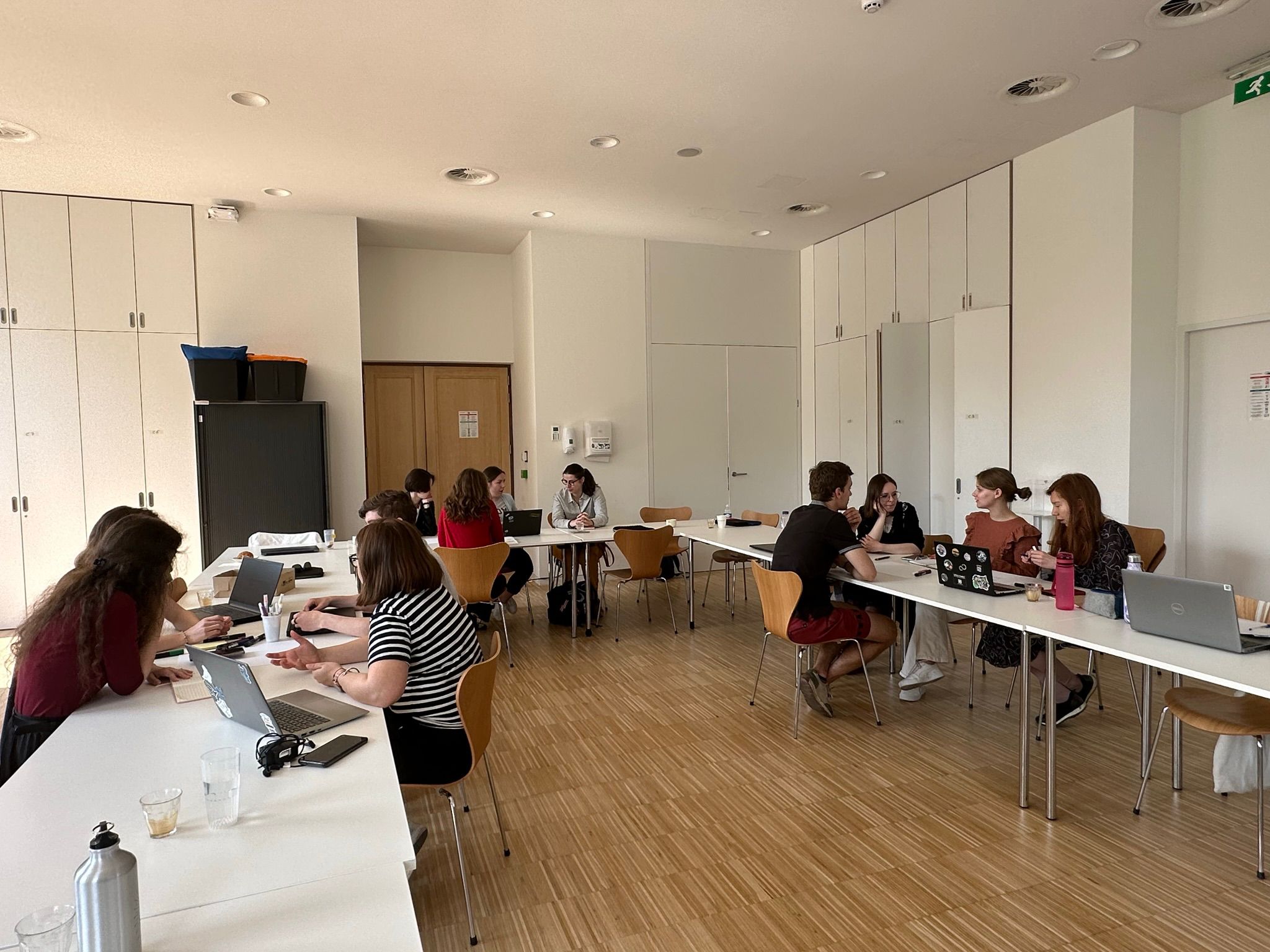
Overall feedback received by the participants was positive. They enjoyed the training throughout the five workshops we organised. Some were even involved in the curation of the content and the ideas for the final design of the installation. Another element they enjoyed was working with people from other countries, learning about their respective individual stories and experiences of the past. I think for some of them it was also an opportunity to engage with their family history, talk with grandparents and reflect on the past of their own family, their identity. Some quotes from the anonymous feedback some of the participants compiled, when answering to what they found most engaging in the project:
"It was interesting to learn about other countries' traditions and how people described them."
"The experience of working with people from several countries was probably the most enriching for me."
"I appreciate that I was able to share a piece of my country's heritage that I hold dear.”
How did they research alternative sources and stories about European Heritage and Memory?
We always made sure to give participants the tools to accomplish the tasks that we were asking them to do. For instance, we did a training on how to collect oral history interviews, and one on how to collect visual sources. We also worked together on the research questions and how to narrow them down to a feasible research. Then, two workshops were also dedicated to how we can narrate the sources and turn them into rigorous and accurate historical narratives.
The results of this project is now exhibited in the House of European History on the 6th floor. How would you describe what visitors will discover?
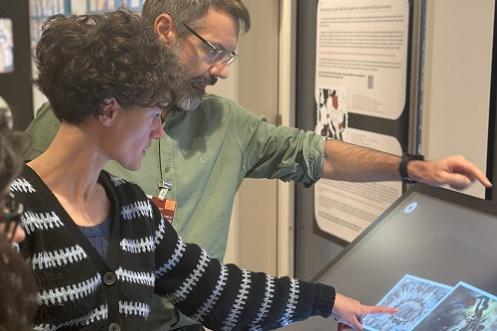
Currently this is one of the only displays in the museum where you can hear different voices, presenting views that come from individual and family histories. The first feedback from audiences say they are very relatable, considering themes of socio-cultural, economic and political change which occurred across Europe in the 21st century. Secondly, the installation is interactive and playful and can therefore be fun to engage with. Thirdly, the postcards are scanned in the installation to access the narratives, but you can also scan the QR code on the back outside the museum, to learn more about our PPHL project. I invite you to come to the 6th floor, play around with our postcards and engage with the wonderful narratives our participants created for you!