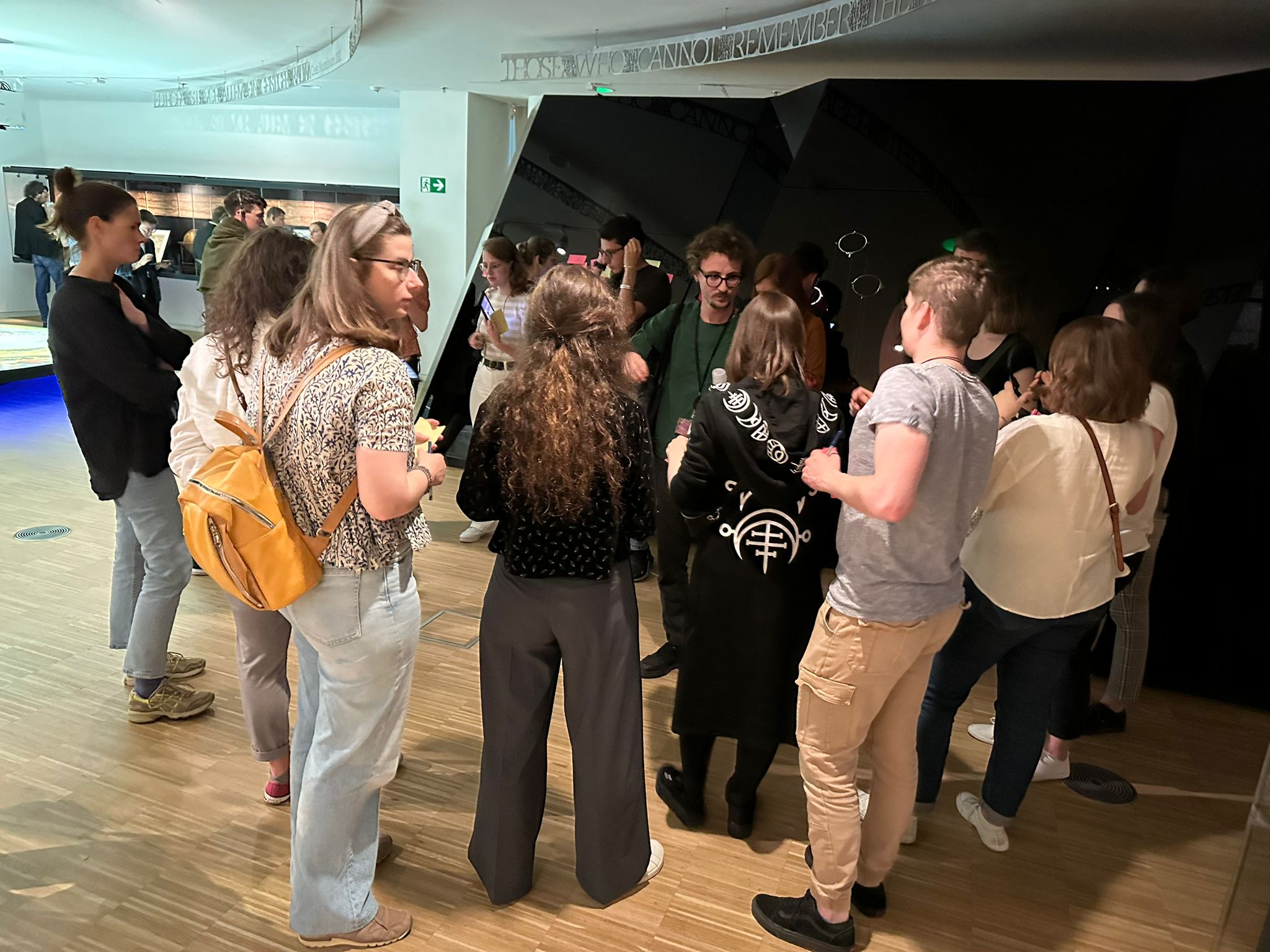
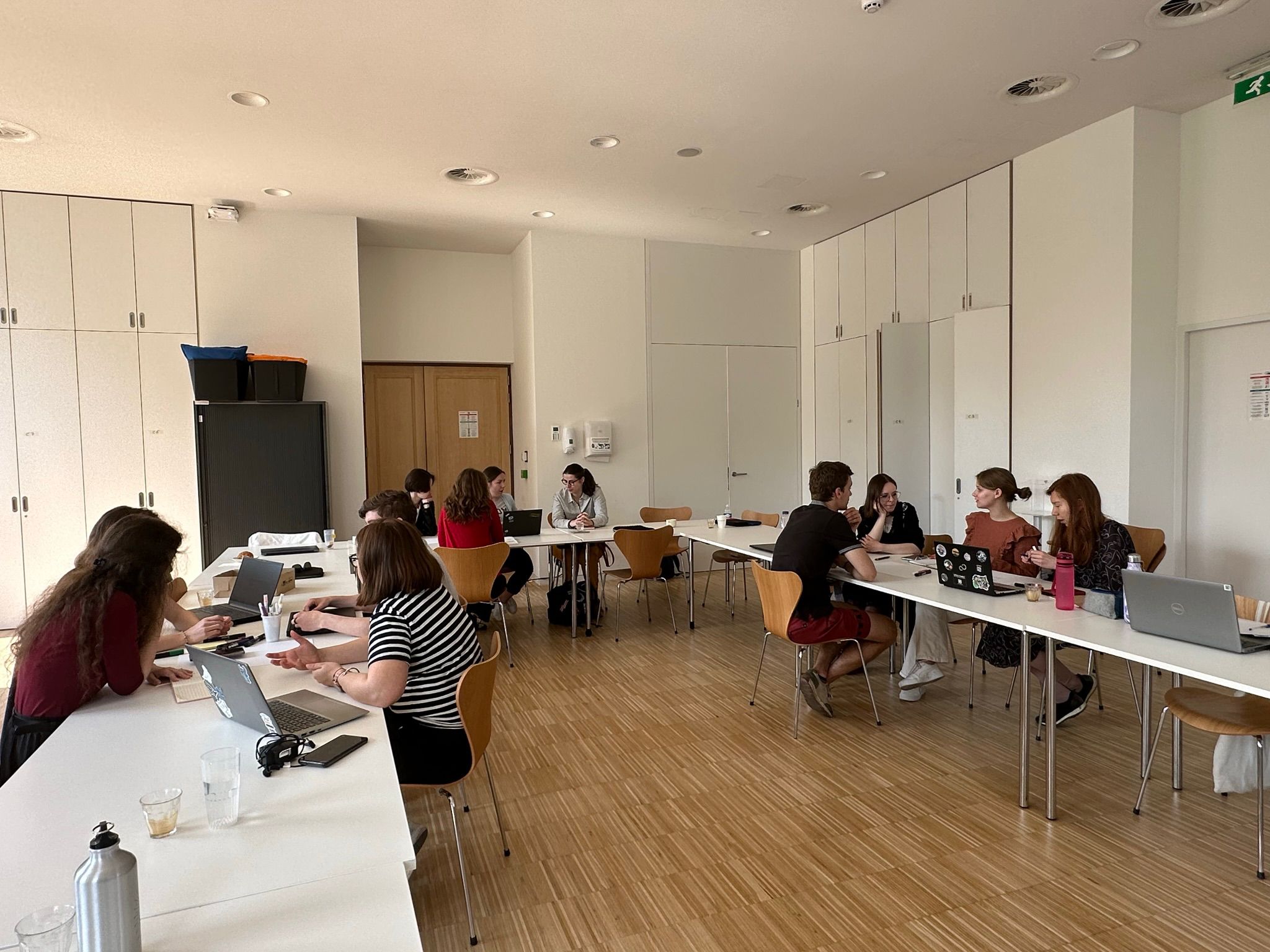
What was their experience during their participation?
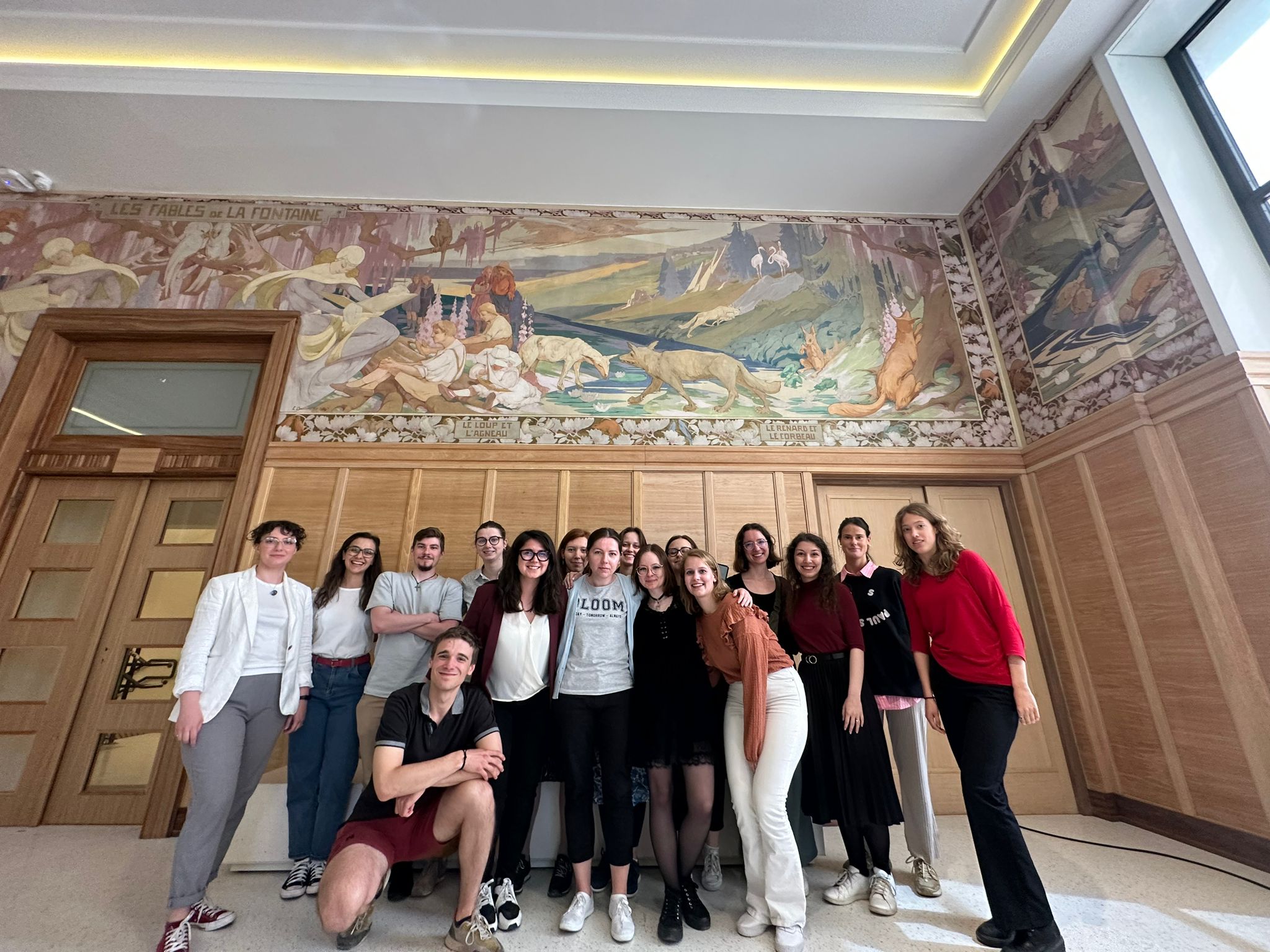
Overall feedback received by the participants was positive. They enjoyed the training throughout the five workshops we organised. Some were even involved in the curation of the content and the ideas for the final design of the installation. Another element they enjoyed was working with people from other countries, learning about their respective individual stories and experiences of the past. I think for some of them it was also an opportunity to engage with their family history, talk with grandparents and reflect on the past of their own family, their identity. Some quotes from the anonymous feedback some of the participants compiled, when answering to what they found most engaging in the project:
"It was interesting to learn about other countries' traditions and how people described them."
"The experience of working with people from several countries was probably the most enriching for me."
"I appreciate that I was able to share a piece of my country's heritage that I hold dear.”
How did they research alternative sources and stories about European Heritage and Memory?
We always made sure to give participants the tools to accomplish the tasks that we were asking them to do. For instance, we did a training on how to collect oral history interviews, and one on how to collect visual sources. We also worked together on the research questions and how to narrow them down to a feasible research. Then, two workshops were also dedicated to how we can narrate the sources and turn them into rigorous and accurate historical narratives.
The results of this project is now exhibited in the House of European History on the 6th floor. How would you describe what visitors will discover?
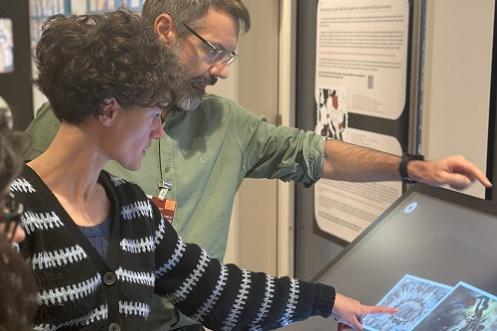
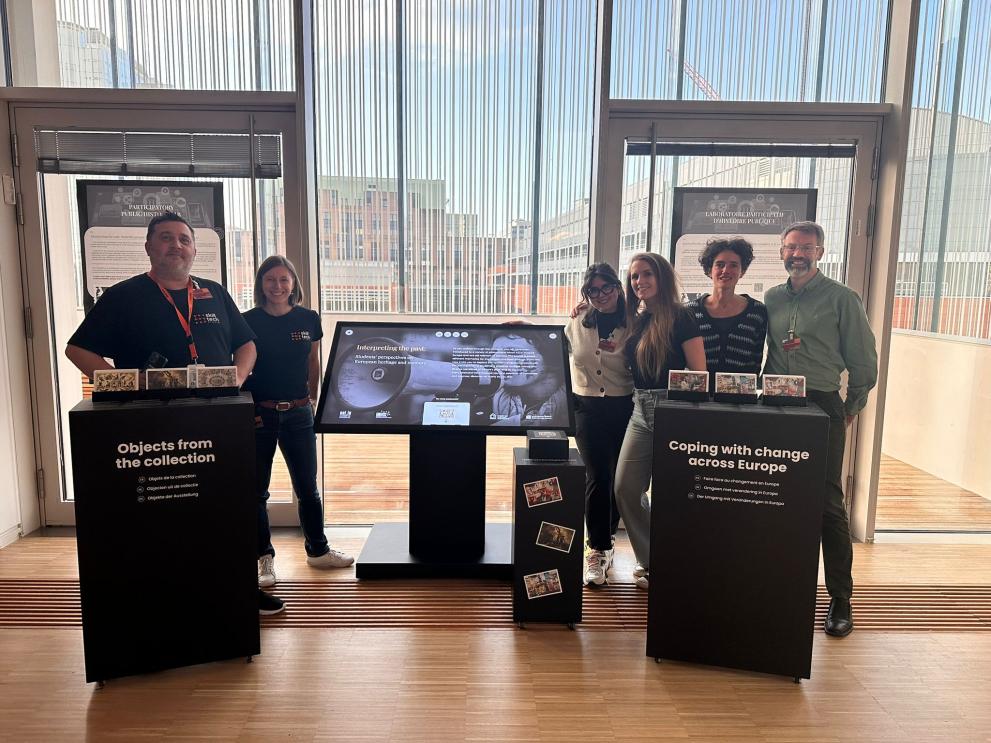
Currently this is one of the only displays in the museum where you can hear different voices, presenting views that come from individual and family histories. The first feedback from audiences say they are very relatable, considering themes of socio-cultural, economic and political change which occurred across Europe in the 21st century. Secondly, the installation is interactive and playful and can therefore be fun to engage with. Thirdly, the postcards are scanned in the installation to access the narratives, but you can also scan the QR code on the back outside the museum, to learn more about our PPHL project. I invite you to come to the 6th floor, play around with our postcards and engage with the wonderful narratives our participants created for you!