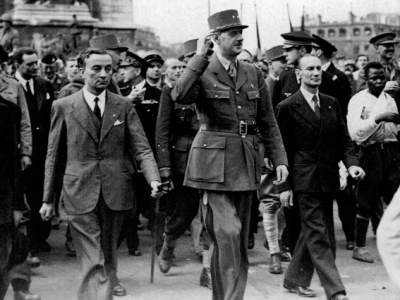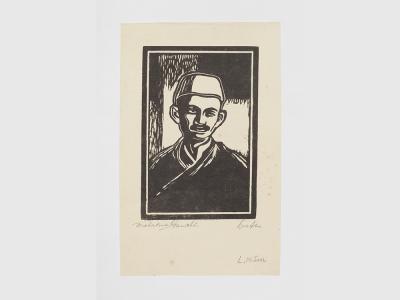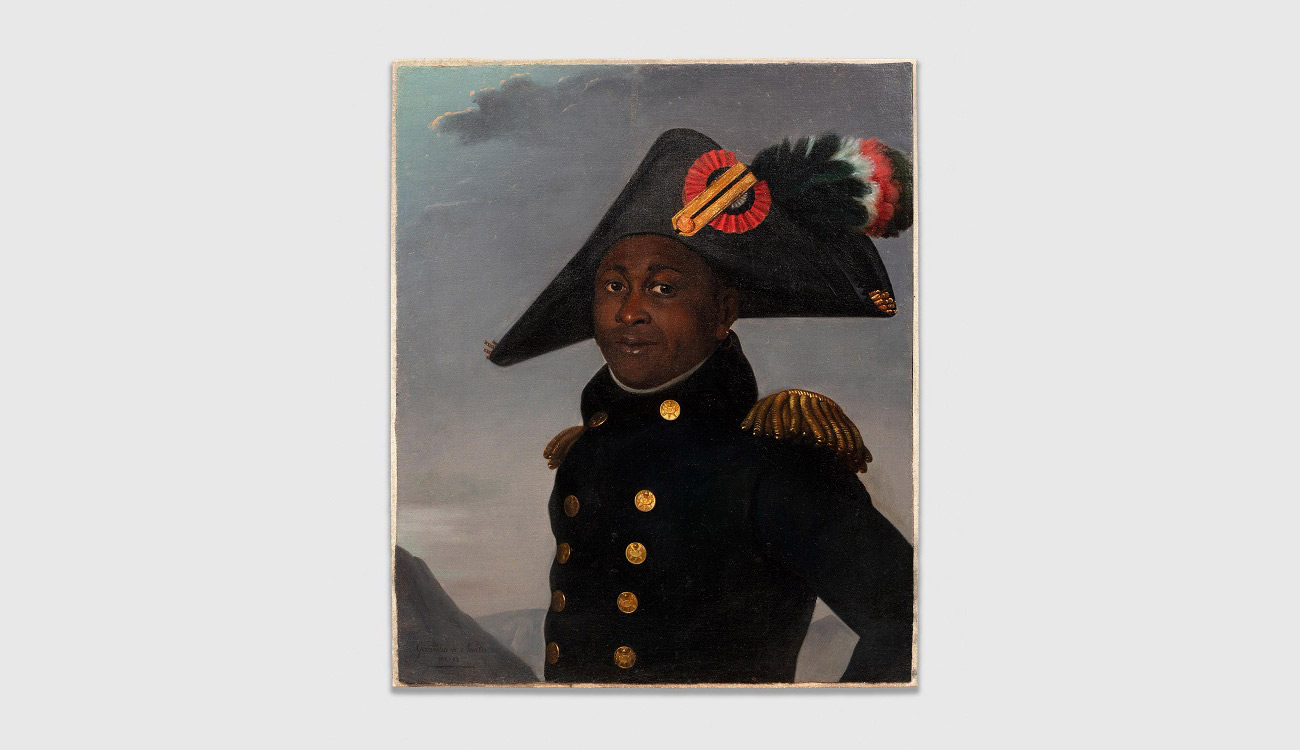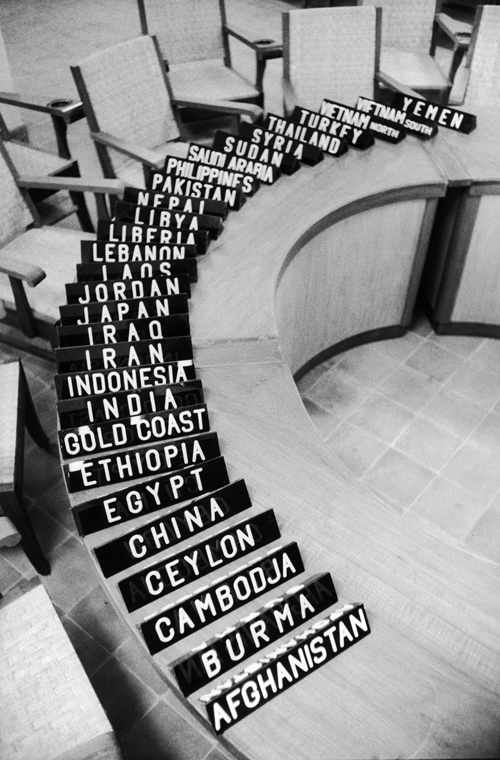
The History of Europe is not limited to the borders of Europe...the question of Europe is a world question

Inside the exhibition

8
Personal Stories

exploring the ways colonialism has shaped individual lives

195
Historical objects and documents

from the 7th century until today

25
Contemporary artworks

by artists engaging with the topic of decolonisation

4
Languages

English, Dutch, German, French

Introduction

Following the Second World War, colonial power seemed to crumble. From 1945 to the end of the twentieth century, more than 80 colonies overcame European rule and declared independence. After decades or even centuries of resistance to brutal oppression, their victories appeared to mark a decisive break with the past. But appearances can be deceiving.

How did the colonial matrix of power – the ideas, events, inequalities and injustices born of colonialism – continue to shape the modern world? 

Exhibition sections

The exhibition has four parts:

  1. Structural foundations of European colonialism

    and its long history from the 1400s up to 1945

    What are the defining structural features of colonialism? While each case of European colonisation has its own story, they all share common features. Being aware of the systemic features of colonialism makes it possible to recognise them in the present day. 

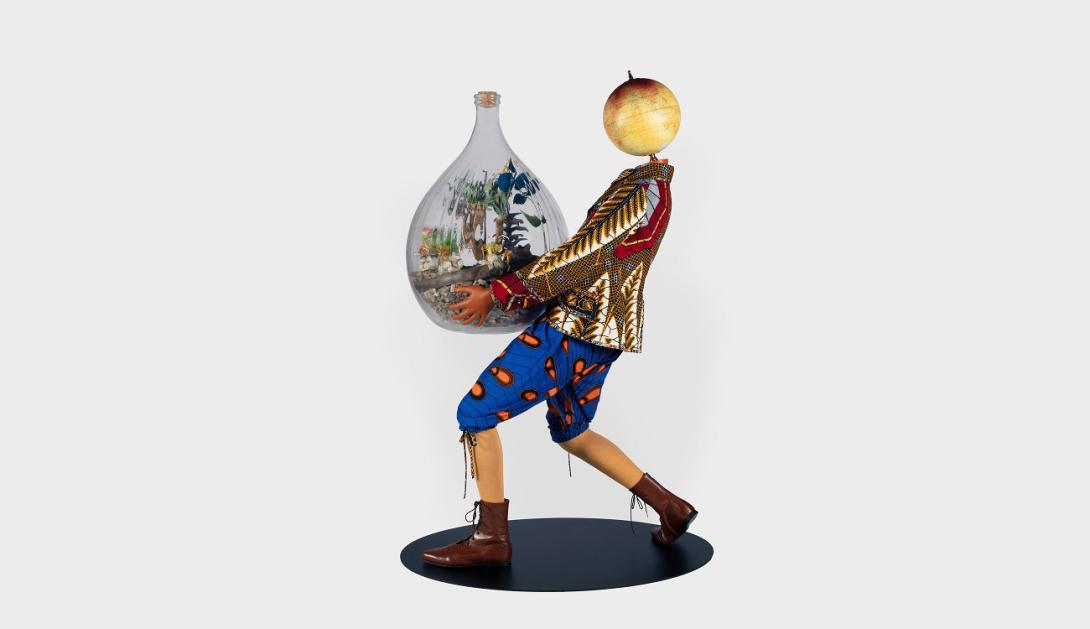
    Wooden puppet figure carrying glass jar

    Botanist Kid (Boy), 2024, CBE RA Yinka Shonibare (b.1962).
    Acquired 2024. EU, EP, House of European History, Brussels.
    © Yinka Shonibare CBE RA

  2. The End of Empire?

    asks how Europeans preserved their power as their empires collapsed

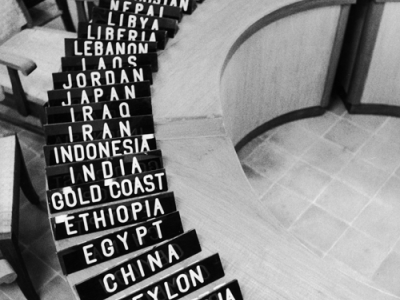
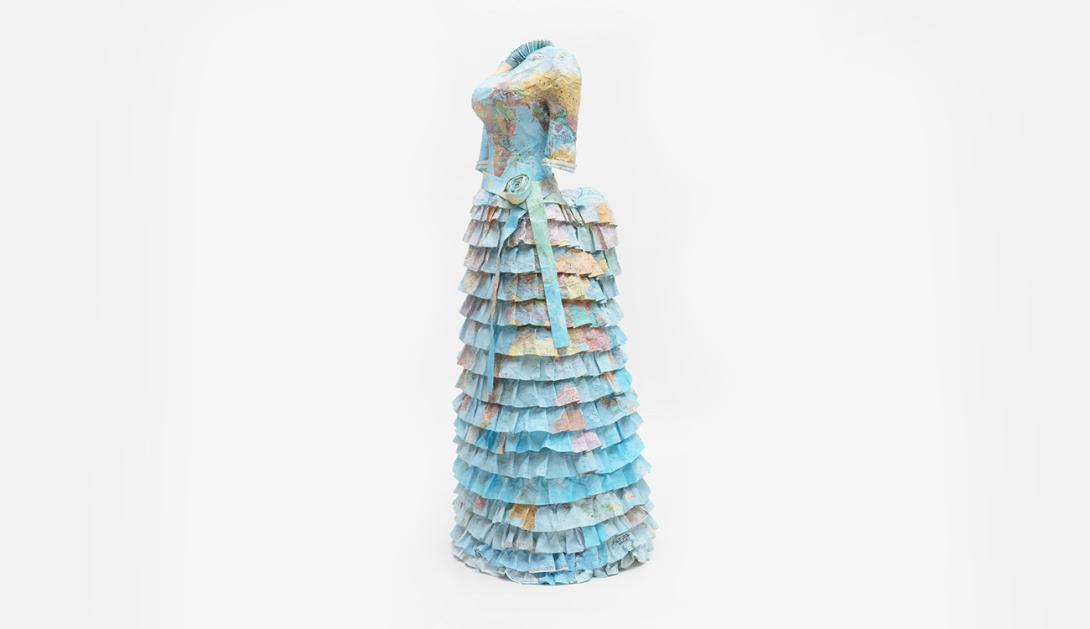
    In 1945, in the wake of the Second World War, Europe lay in ruins, and its power was crumbling. Surely, having fought to overcome Nazism and fascism, Allied nations could scarcely defend colonialism? For colonised peoples, it appeared that radical change was now possible.

    colonial dress sculpture view from aside in horisontal format

    Colonial Dress, 2008, Susan Stockwell (b.1962).
    Acquired 2019. EU, EP, House of European History, Brussels.
    © Susan Stockwell

  3. Between independence and true freedom

    From the late 1950s, decolonisation gathered pace

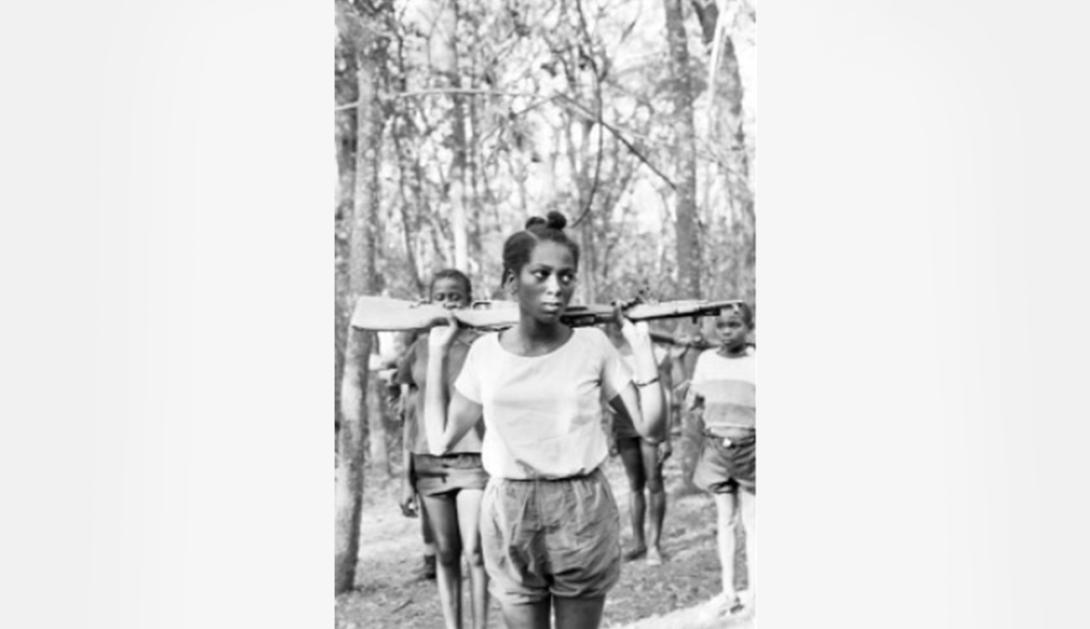
    In 1960 alone, 17 African colonies gained independence. These were exceptional moments of triumph, hope and pride. Yet, the euphoria many people felt was short-lived.

    Black-and-white photo of a young woman walking through a wooded area with a rifle across her shoulders, with two youths behind her

    Luzia Inglês Van-Dúnem (a member of the Liberation Movement of Angola), 1968. 
    © Augusta Conchiglia 1968

  4. What now?

    To confront Europe’s colonial past is to see its traces everywhere today

    Yet, wherever there is injustice, there is resistance. Within and beyond Europe, countless people are committed to change: artists, activists, researchers, educators, organisers and ordinary citizens, taking responsibility in their communities. They invite us to rethink what it means to be European, to look honestly at Europe’s place in the world, and to imagine new ways of being and living with one another.

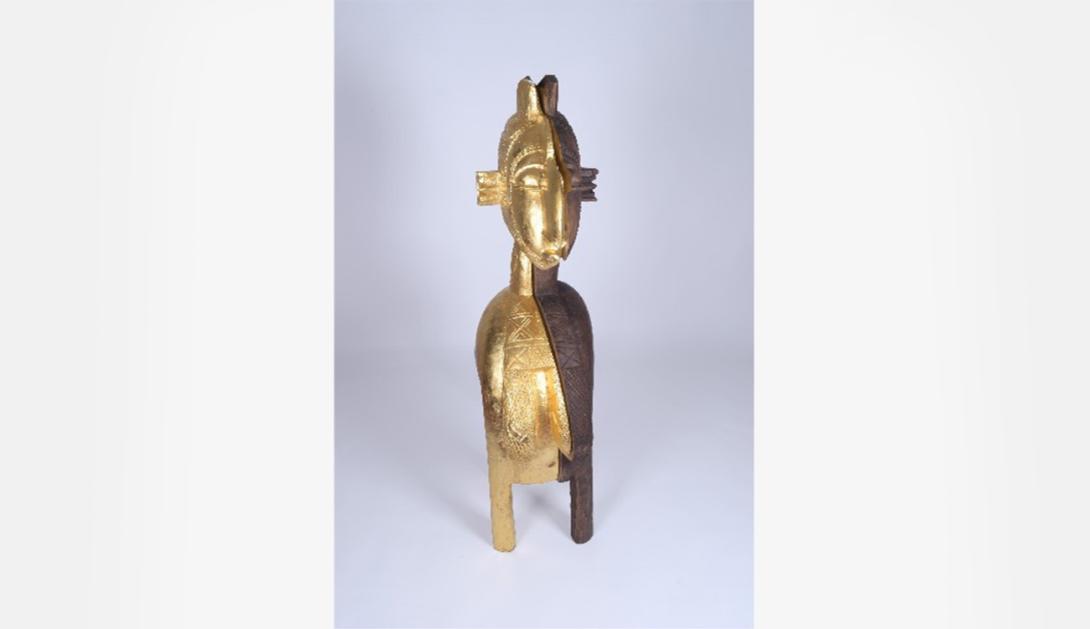
    baga nimba sculpture in horisontal format

    Baga Nimba (Gold), 2019, Niyi Olagunju (b.1981).
    Acquired 2020. EU, EP, House of European History, Brussels.
    © Niyi Olagunju

Why this exhibition?

The House of European History, opened in 2017, has a mission and a responsibility to examine Europe’s history. Our current displays do not say enough about the ongoing impacts of colonialism. They neglect the voices of those who suffered and resisted colonial violence.

This exhibition marks the beginning of a journey for our team to address that shortcoming. The exhibition will be a catalyst to revise our displays throughout the rest of the museum. 

Project Team

Lead Curator and Project Leader
Kieran Burns
Curators
Ayoko Mensah, Simina Badica and Joanna Urbanek
Assistant Curator
Elena Garcia Caffarena, Laura Coccia
Personal Stories Curator
Daphné Budasz
Curator Trainees
Helja Asadi-Gholami, Adrià Enríquez Álvaro, Hannah Savage, Emily Shoebridge Martín
Production Manager
Philippe Peyredieu du Charlat
Learning & Outreach
Mackda Ghebremariam Tesfau, Paul Grabenberger
Collections - Conservator
Vasileios Galanakos, Anke van Achter
Collections - Assistant Loans
Karolina Milkowska
Collections - Registrar
Vladimir Cajkovac
Publication
Stéphanie Gonçalves and Christine Dupont
Communication & Partnerships
Ana Salvador, Nicolas Withof
Facilities, visitors services & IT
Vito Maltese, Carlos Ibañez Fandos
Finance
Jasna Burn, Korana Matetić

To make this exhibition, we have worked with a panel of historians, researchers, activists, community leaders and other experts, as well as with people who have shared their personal experiences of colonialism, and the ways they have responded to it.

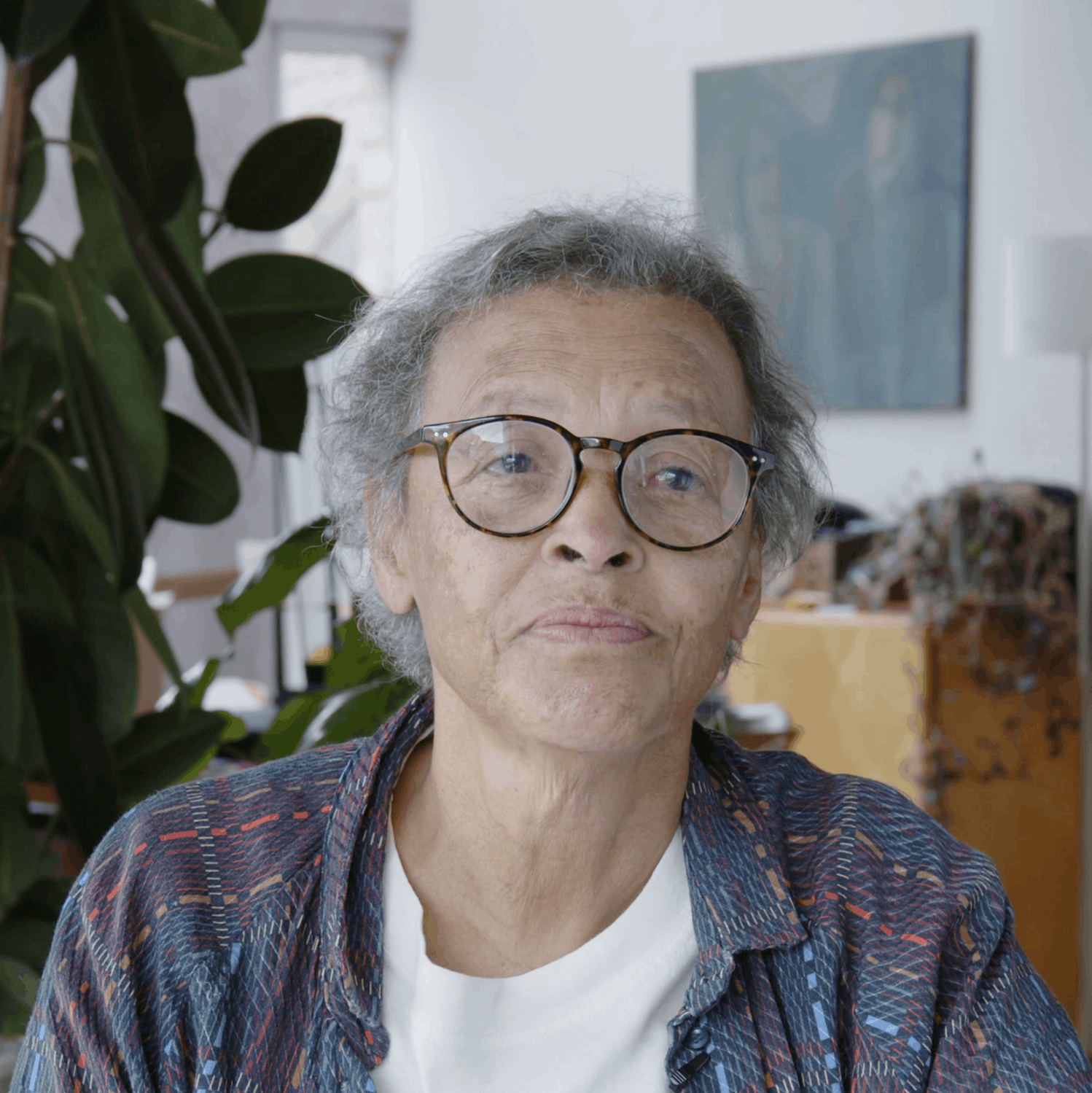
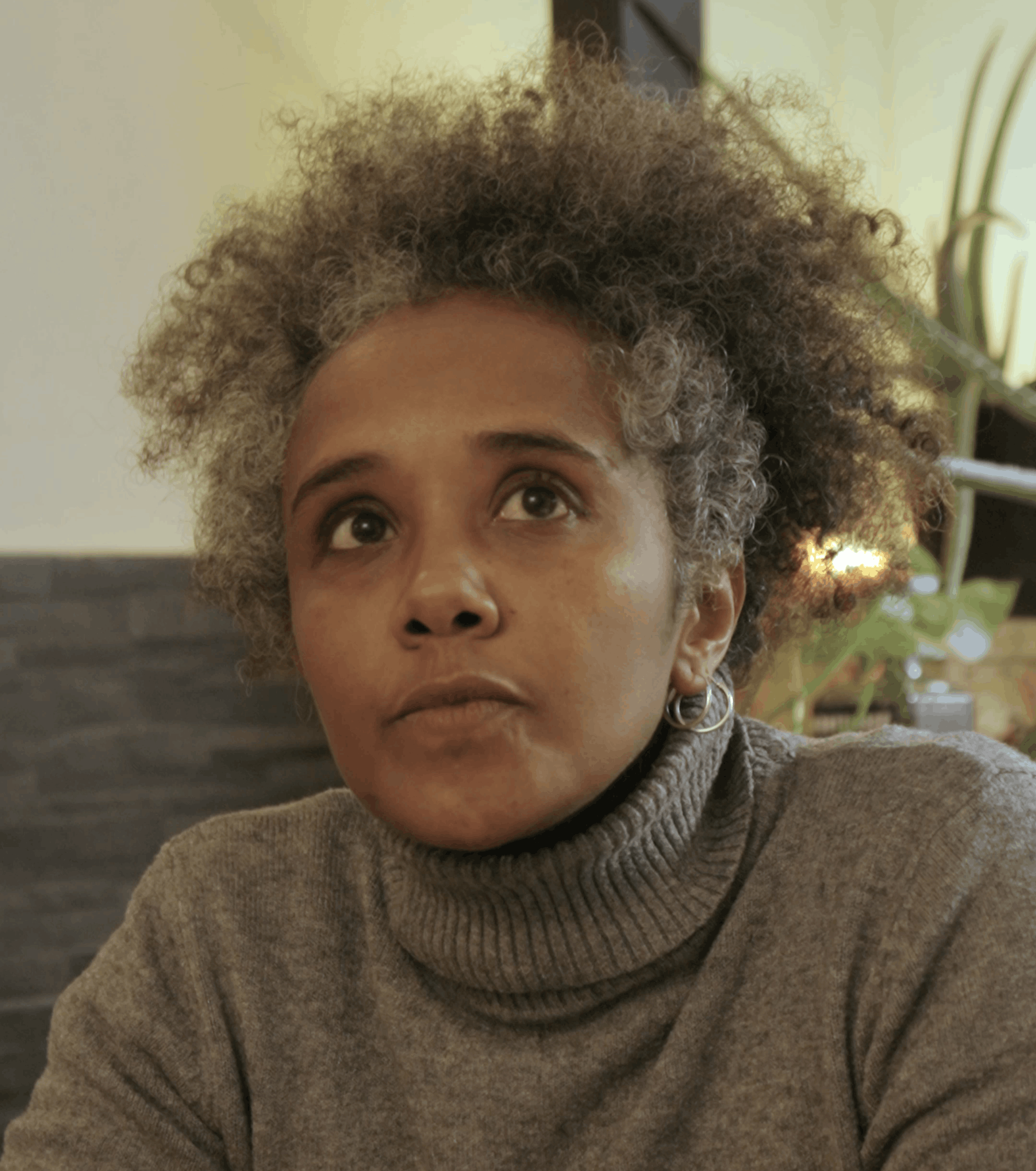
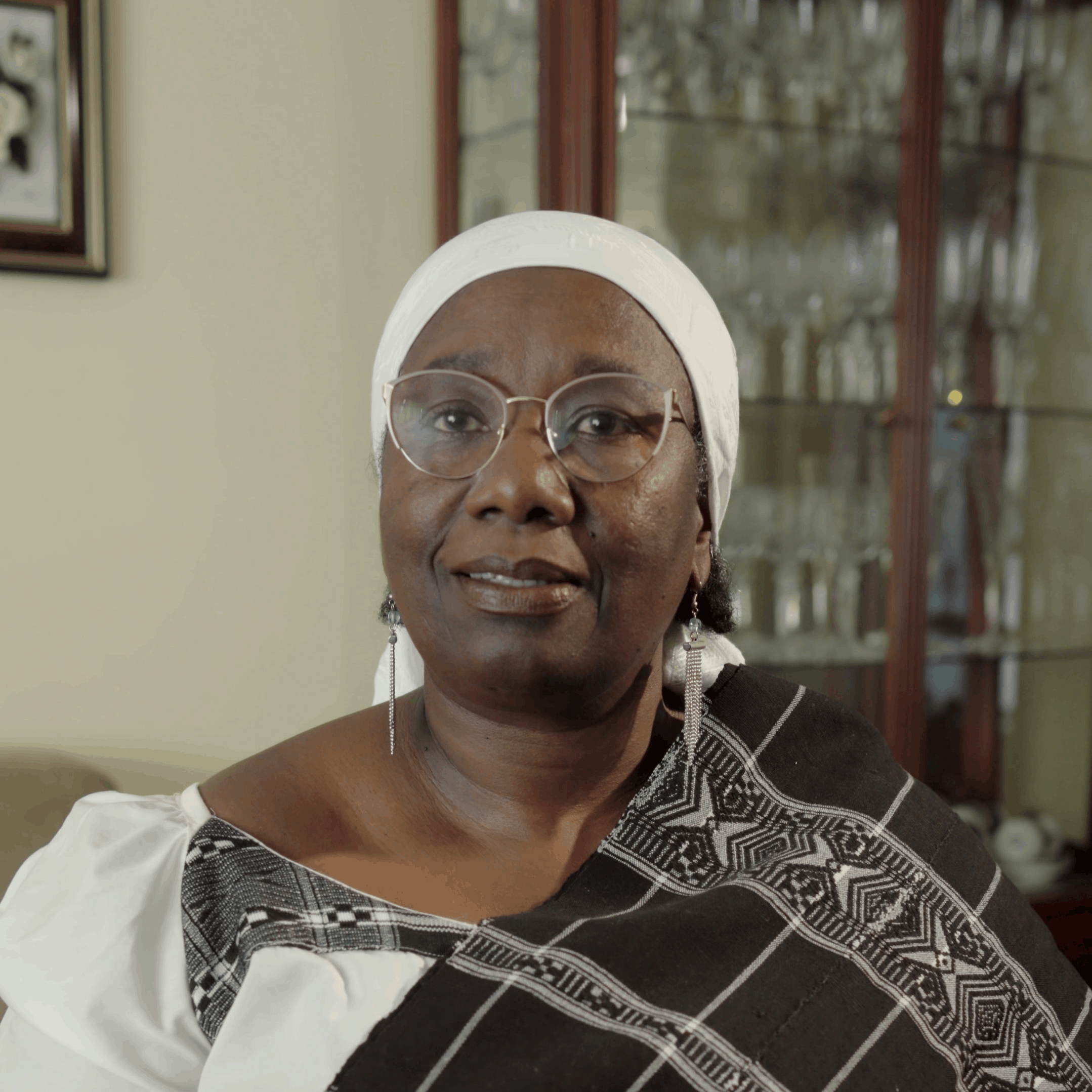
Personal voices in the exhibition

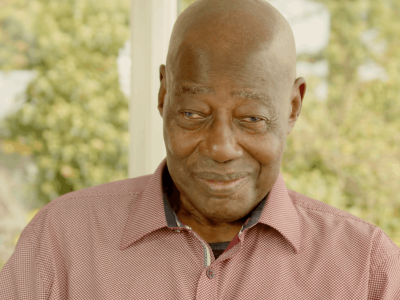
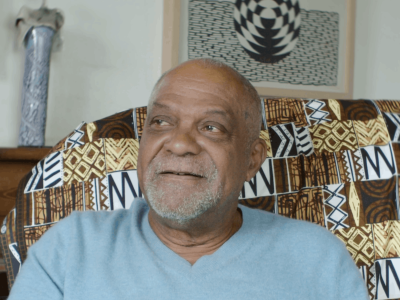
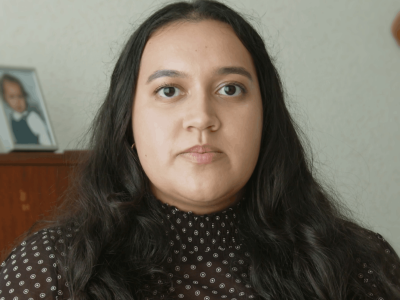
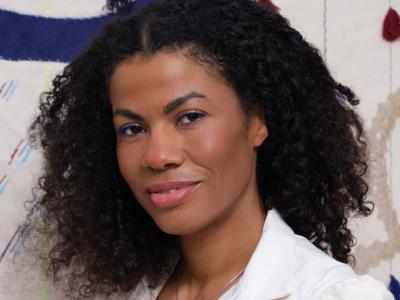
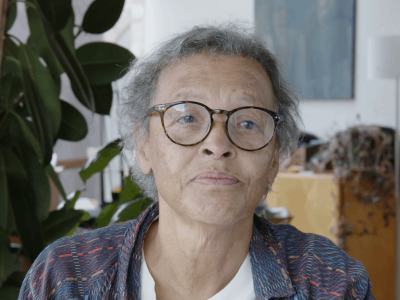
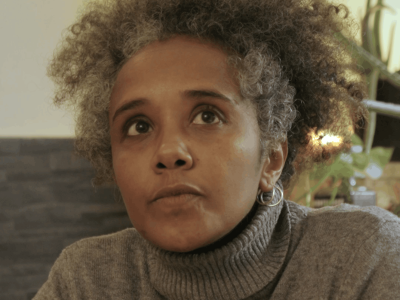
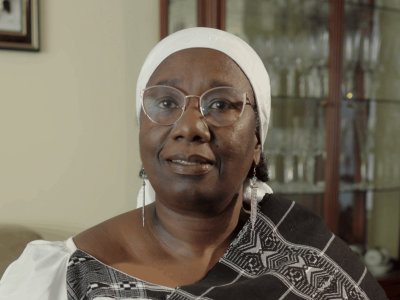
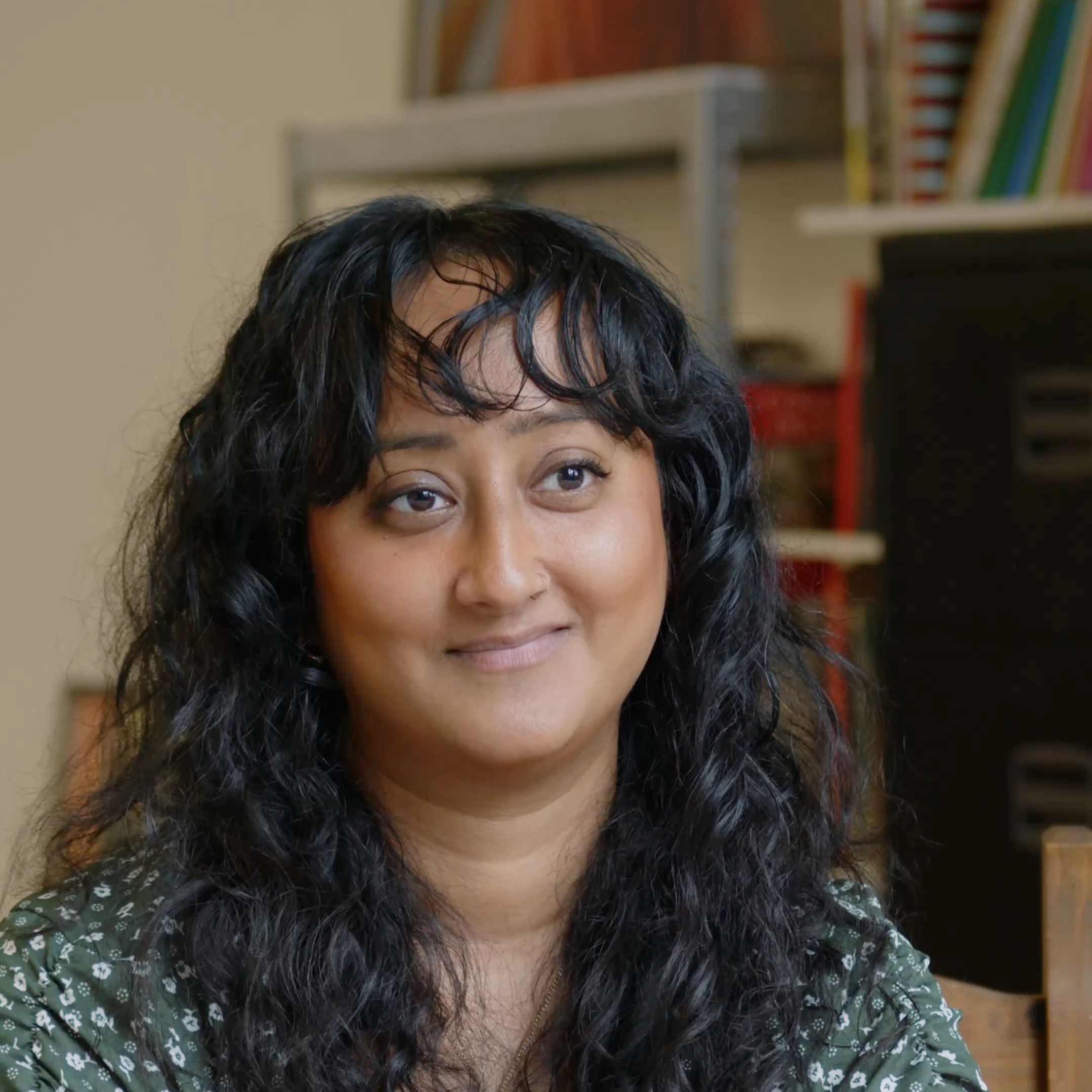
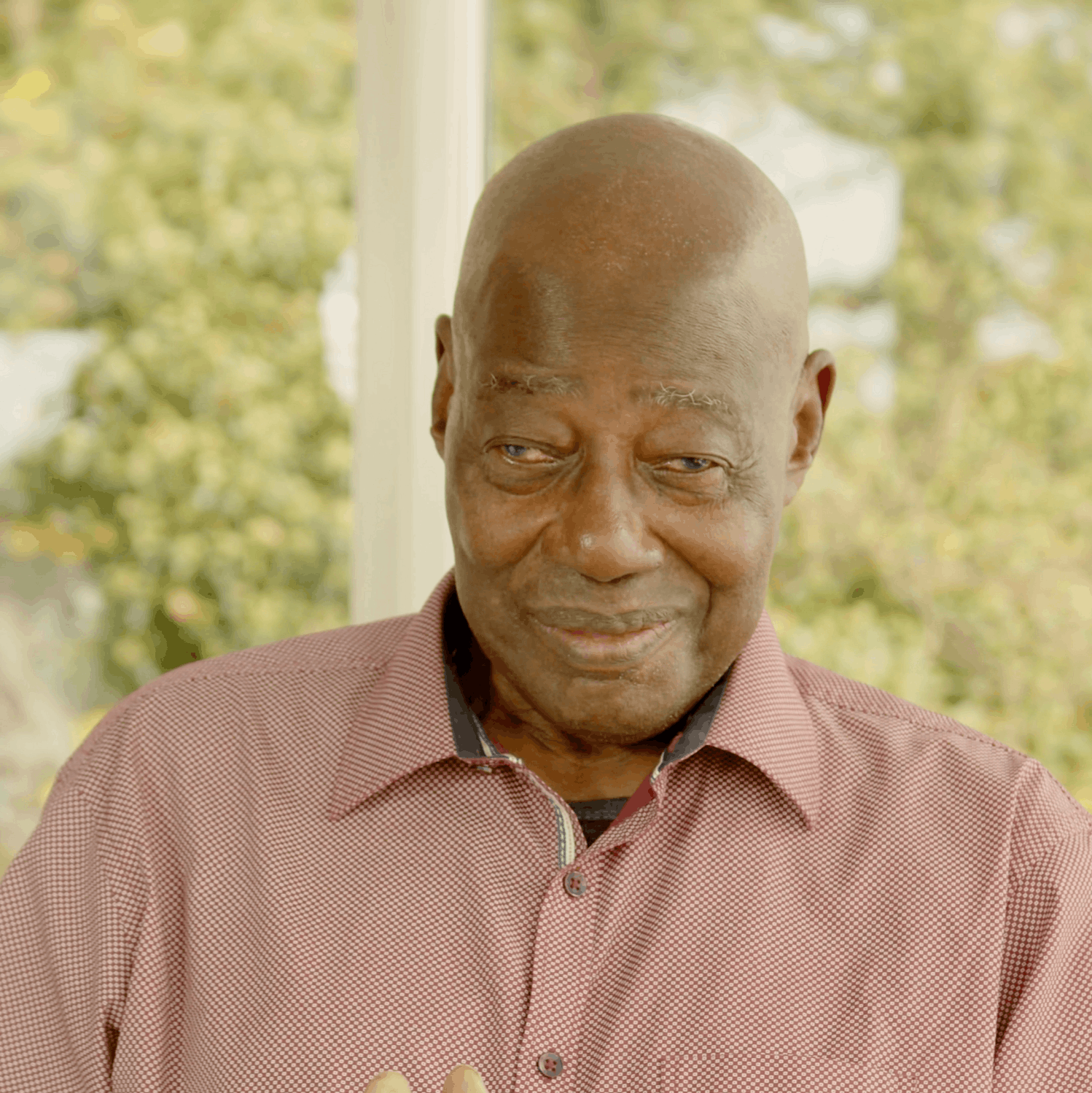
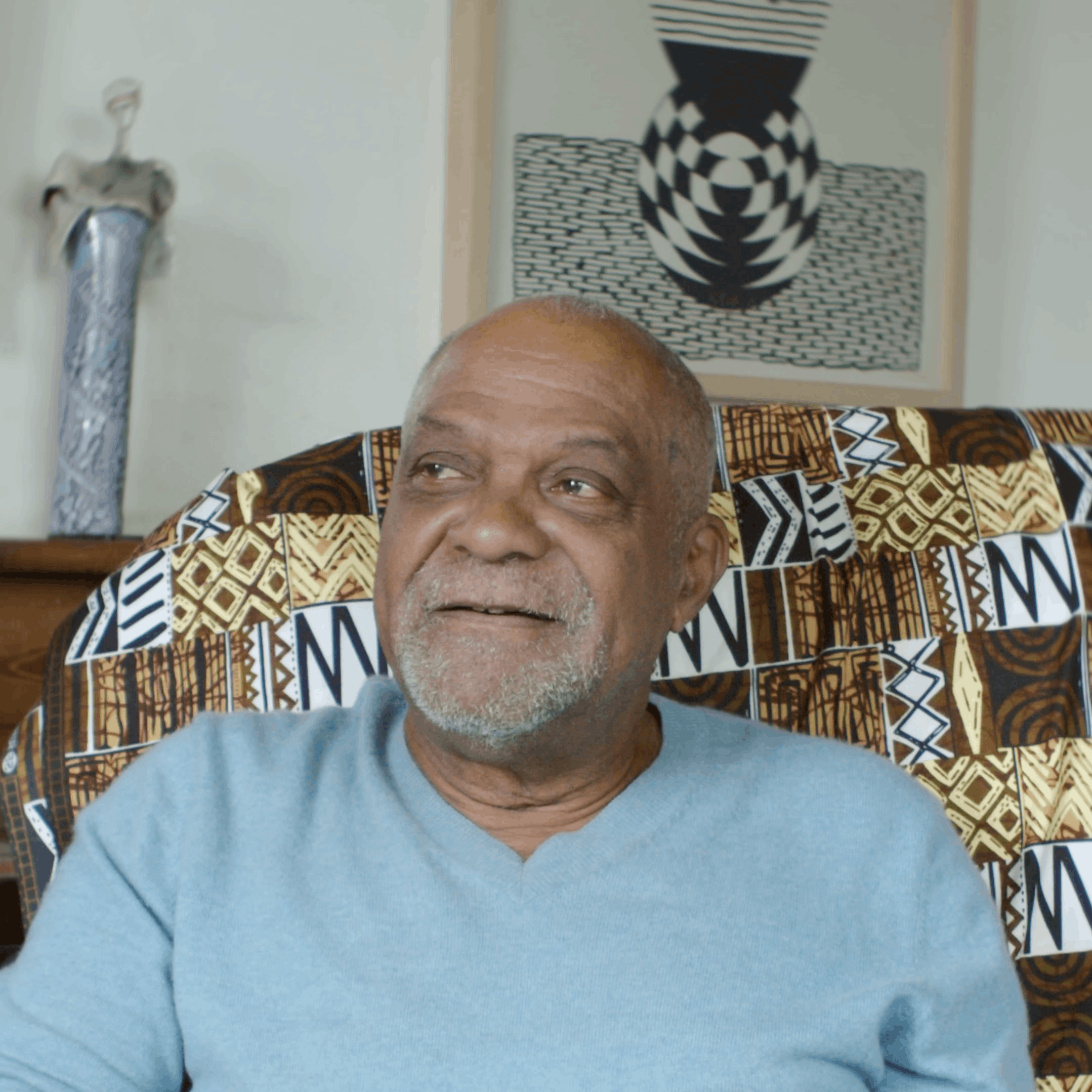
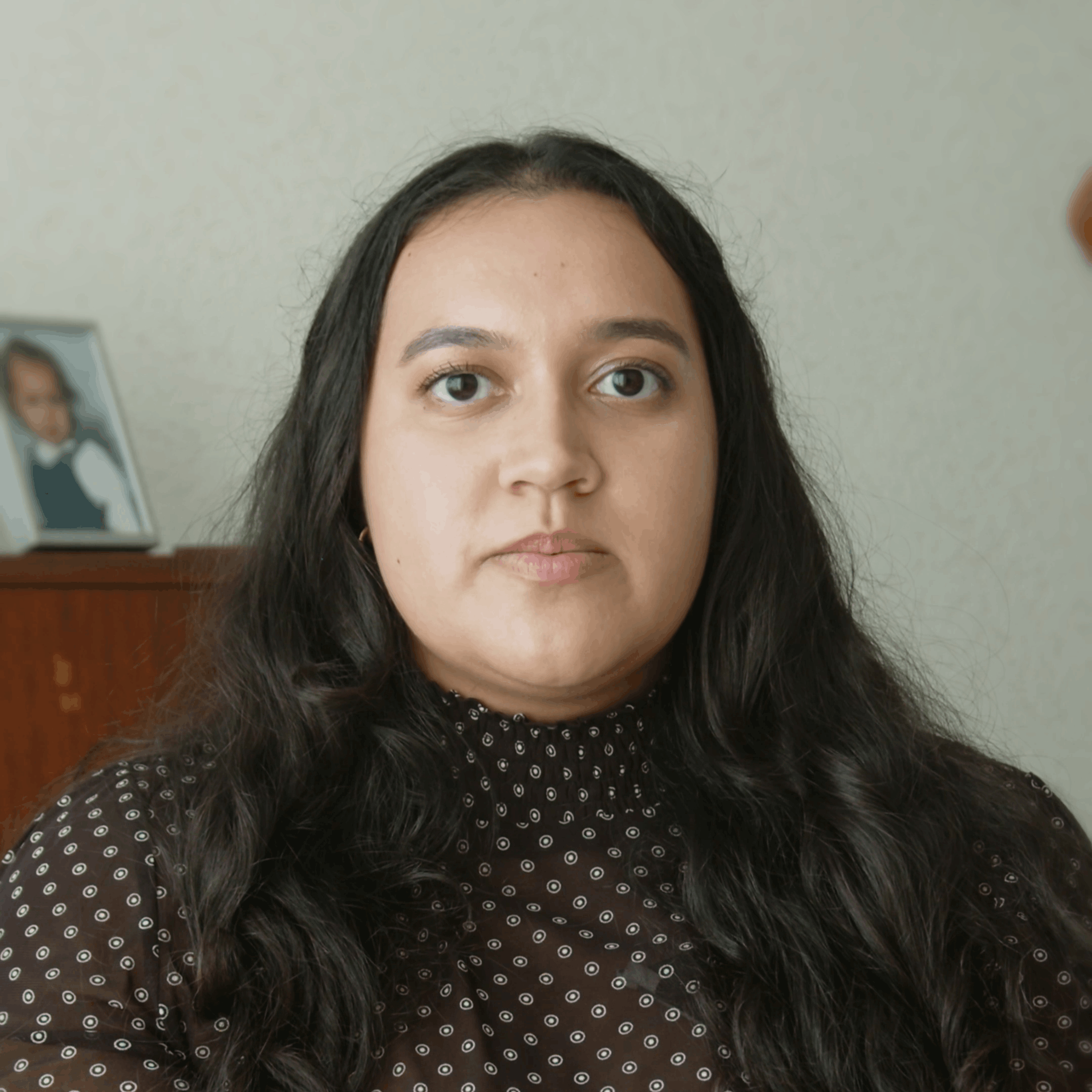
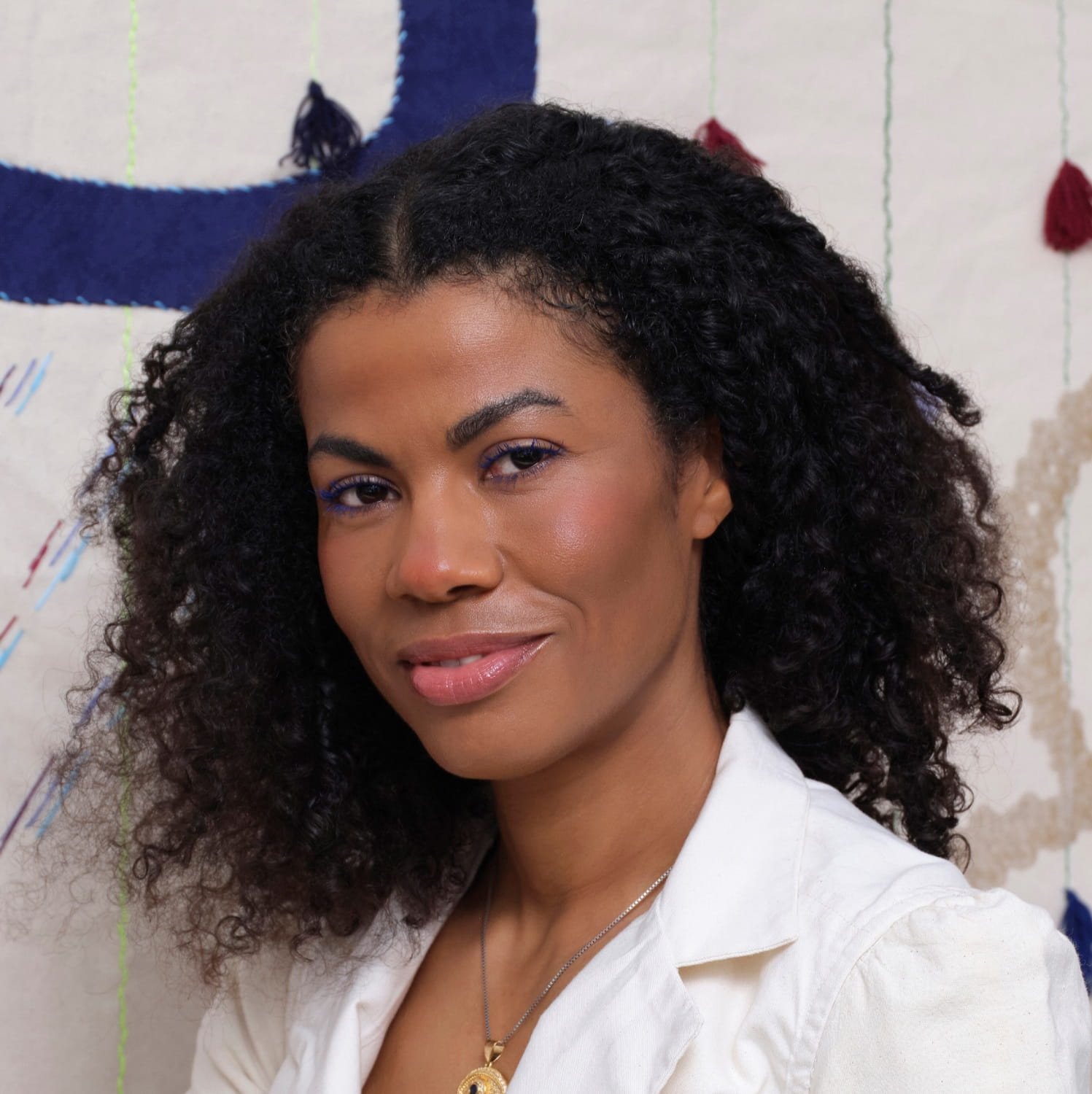
In total eight personal stories are presented with audio-visuals and related objects. They embody different perspectives on colonial history, its complexity and the divergences that arise. 

Uazuvara Ewald Kapombo Katjivena
Lessons of humanity from a genocide survivor.
Sabrina Tirvengadum
Retracing identity through archives and AI.
Yves Abibou
A struggle for recognition of a massacre.
Leah Latumaerissa
A broken promise of the Dutch colonial army.
Zohra Opoku
Reuniting family through art
Ilda Vaz
Music becomes a tool of healing and resistance.
Rahel Sereke
Fighting for rights and against structural racism.
Jacqui Goegebeur
Colonial devastation of childhood and families.

Academic Advisory Group and Critical Friends

Central to the development of the temporary exhibition are the principles of academic independence and engagement with expertise. To this end, the House of European History has put in place a two-level advisory and review framework, consisting of a special working group of the Academic Committee of the House of European History, referred to as the “Advisory Group”, and a panel of “Critical Friends”, composed of eight outstanding academics and activists based across Europe. 

Public Programme Circle

The Public Programme Circle (PPC) is a collaborative advisory and decision-making body created to co-design the public programme of this exhibition at the House of European History. 

Discover more about the public programme around this exhibition (coming soon).

This exhibition uses images and objects from external archives and collections. Although we have made our utmost efforts to ensure all image rights are credited appropriately, please contact the House of European History in case of necessary modifications to the credits.