Som museum som förväntas representera hela kontinentens historia har Europeiska historiens hus ett särskilt ansvar för att möjliggöra mångsidighet och mångsidighet. Hur lever museet upp till denna ambition nästan tio år efter det att det öppnade sina dörrar? 

Under sina första år har Europeiska historiens hus byggt upp ett stort nätverk av partner i hela Europa. Nyligen genomförde museet pilotprojekt där man använde allmänhetens deltagande för att inkludera röster från ungdomar och underrepresenterade grupper i sina narrativ och utrymmen. History Lab Europe bygger vidare på dessa tidigare erfarenheter för att tillämpa deltagandebaserade metoder i sitt arbete, från tolkning av samlingen till praktiskt lärande mellan generationerna.  

Detta deltagandebaserade projekt vidareutvecklar Europeiska historiens hus till ett tillgängligt och inkluderande forum för dialog där människor och samhällen känner en känsla av tillhörighet och handlingskraft. 

Den offentliga lanseringen av History Lab Europe kommer att äga rum i maj 2027 i samband med Europeiska historiens hus tioårsjubileum.

Under 2026 arbetar projektpartnerna tillsammans med att utforma och utforma deltagandebaserade aktiviteter och installationer som främjar samhällsengagemang både på museet och på decentraliserade sätt.

Projects

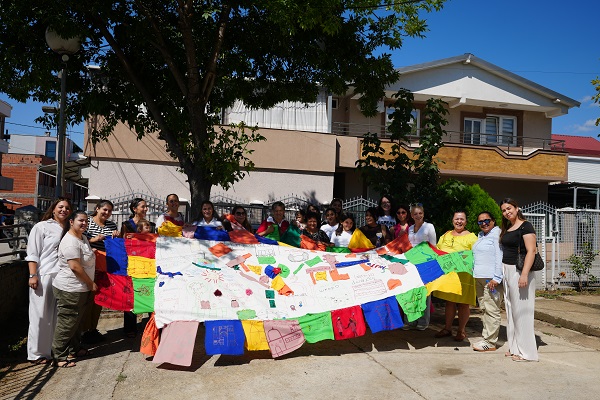
People with large poster
A Map of Her Own: Roma Women Weaving Shutka
Led by artist Luna De Rosa, Roma women in Šuto Orizari, North Macedonia, create a collective textile artwork exploring memory, identity and Roma narratives, weaving Roma history into European history. By ERIAC.
Illustrated image
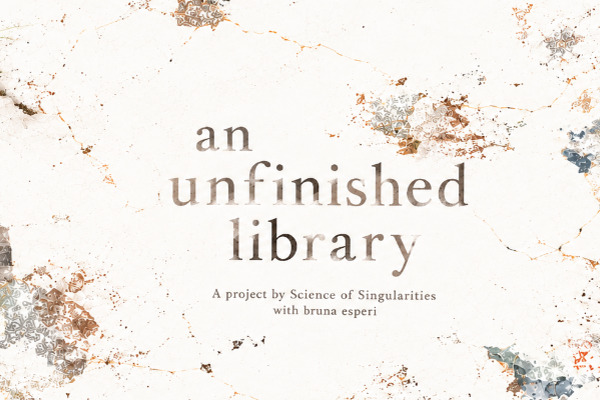
an unfinished library
A participatory project where knowledge grows through relationships, shared experiences, and exchange. Valuing overlooked knowledges, it invites collective learning across communities. By Science of Singularities and bruna esperi.
Empty photo
Blind Spots: A Living Archive
Young people from Brussels discuss blind spots in our history using selected objects from the museum collection and are recorded to create an audio archive of European voices. By Astrid Begenyeza.
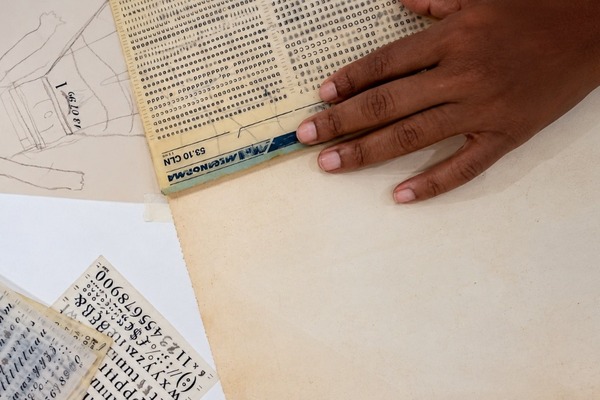
Boy's hand on paper
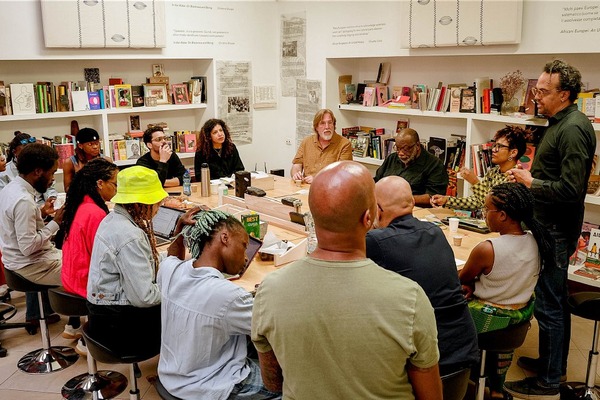
Book club - Europe, Read Otherwise
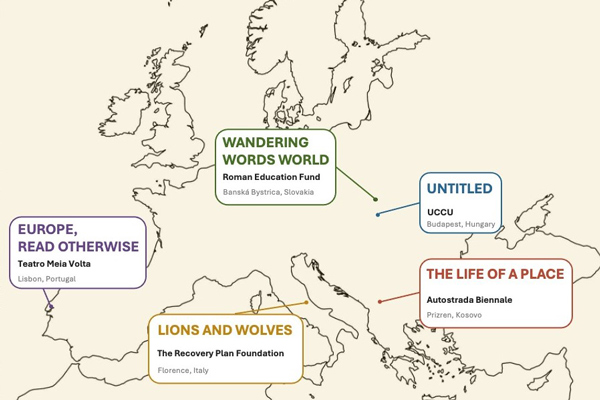
Through a collectively created multimedia book, migrant communities in Portugal reflect critically on Europe's past and present, inviting visitors to read history otherwise and imagine possible futures. By Teatro Meia Volta.
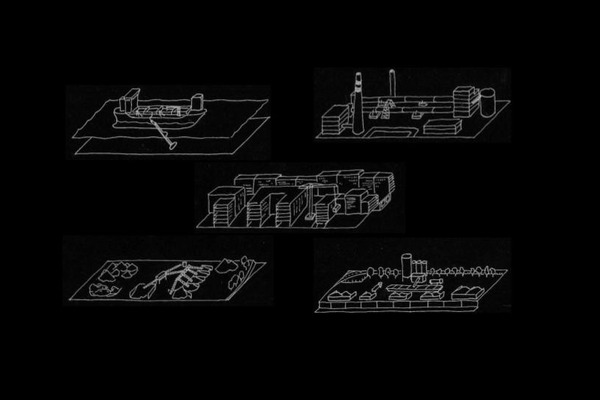
Concrete stories
Using handmade models, this installation explores the trajectories of concrete, and how these have reshaped urban contexts, landscapes, migration policies and construction practices. By Rotor and Reclaim (ULB).
Illustrated drawing of city
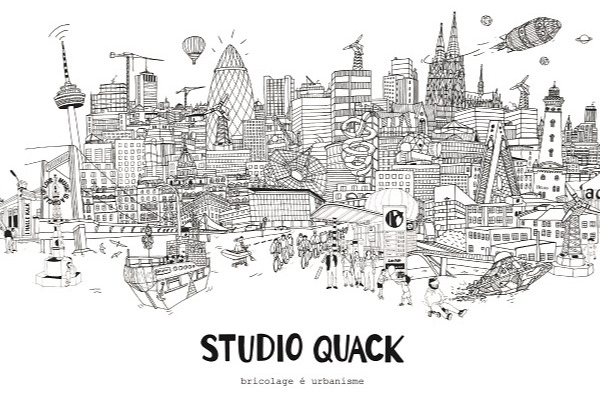
Designing History Lab Europe
The House of European History’s temporary exhibition space becomes a laboratory where people explore the concepts of history and Europe, combining playful and reflective experiences. By Studio Quack.
Display case with mining objects
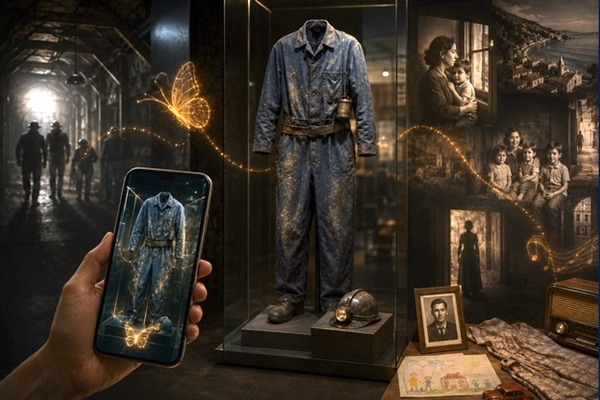
EXTRACTION: What Still Burns
Tourism students and young engineers use AI to explore the invisible lives behind the local mining history and question past and present extractive systems. By XR4Heritage, HELHa, TEKNOFAMILY and Bois du Cazier.
Multicoloured poster
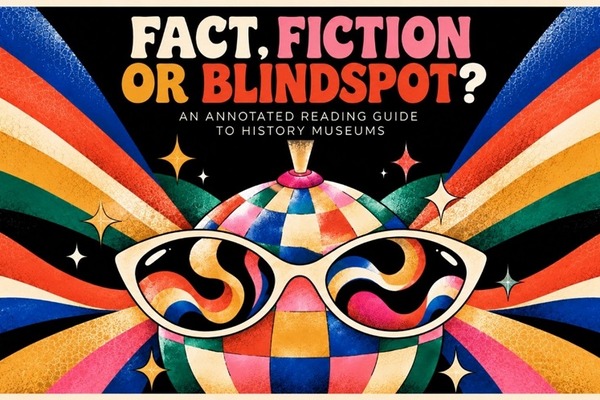
Fact, Fiction or Blindspot?
An annotated reading guide to history museums, including critical tools to address the blind spots upon which the narrative of Europe and its institutions have been built. By D.T.M.N.
Woman's dress made of cardboard
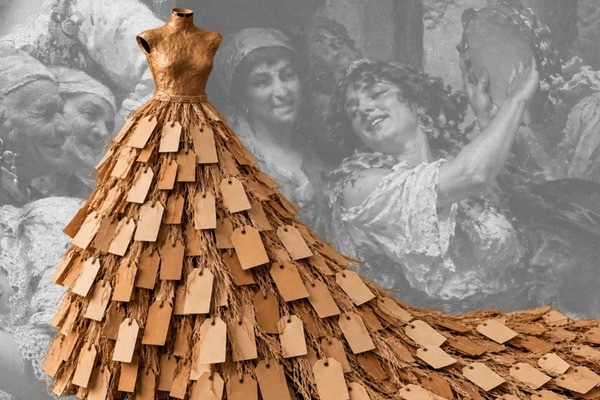
From stereotypes to counter-narratives
Roma and non-Roma groups get connected in a creative process highlighting the prejudices affecting Roma women in today’s Hungary and the counter-narratives put forward by Roma women. By UCCU.
a map
Imagining Europe with Communities
To bring more communities and voices into the Lab, cultural organisations in Hungary, Italy, Kosovo, Portugal and Slovakia are invited to spark dialogue on Europe and bring overlooked stories into the spotlight. By the European Cultural Foundation, ERIAC and the House of European History.
People around the table
Lions and Wolves
Local communities in Florence (Italy) collectively create a mobile archive of materials about colonial history and memory, housed in toolboxes that visitors can handle. By The Recovery Plan.
Paper posters during workshop
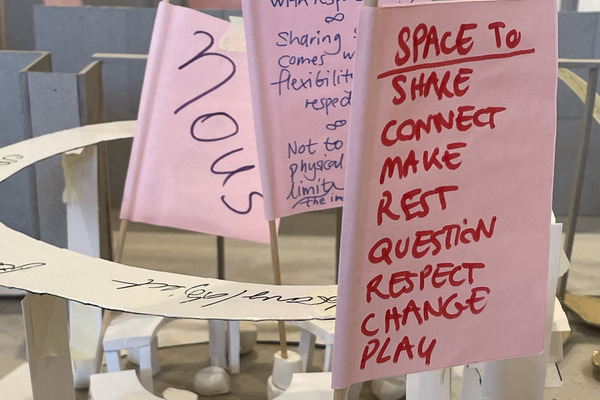
On/Off Lab: co-creating spaces to talk, rest, play
The lab develops the blueprint for the museum's future On/Off spaces by listening to all-ages-and abilities visitors through evaluation, on-site accessibility research, co-creation, prototyping and testing. By Astrid Poot, Camilla Portesani, Eleonora Ianni (Hands On), Jennifer Pourroy Wong, and the House of European History.
People in semicircle
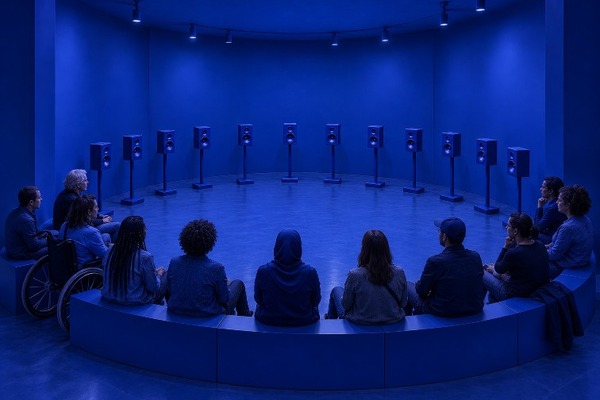
Par.li.a.ment
Audio fragments produced by institutions, media, associations and individuals come together into an interactive installation that opens up another way of listening to European history. By BNA-BBOT.
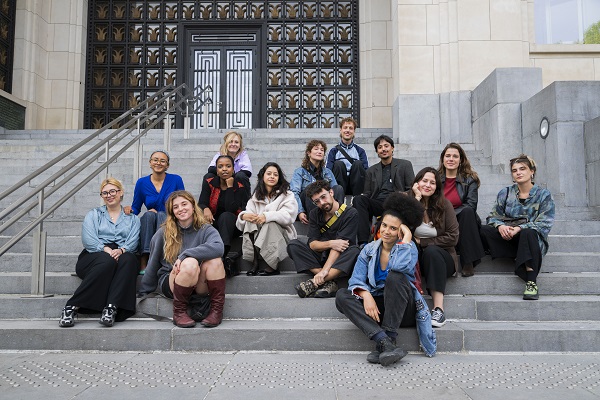
Group sitting on steps outside museum
Silences in the Museum
Young adults from Brussels come together to develop an audiovisual installation to bring to light stories that are hidden or missing in the museum collection. By ECHOES, GSARA and the House of European History.
The Life of a Place
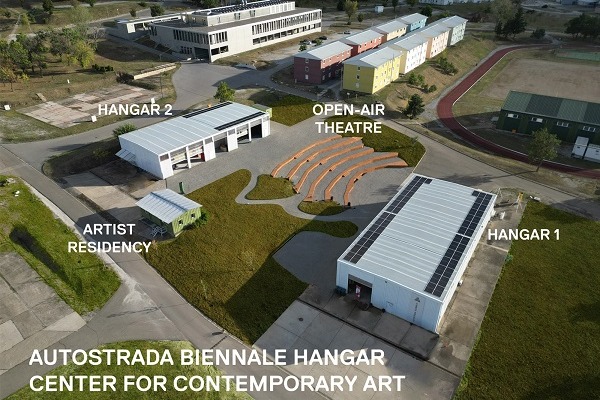
Community stories, archives and film help explore the transformation of former NATO military hangars at ITP Prizren, Kosovo, into Autostrada Hangar, a contemporary art centre. By Autostrada Biennale.
Empty frame
Wandering Words World
Romani musicians and cultural practitioners join artist Norbert Kuki to produce a sonic repository that reinterprets and preserves Romani language and musical heritage. By Roma Education Fund.

Partners